
Angry Teenager: What To Do When Your Teen Is Yelling, Shut Down, or Exploding
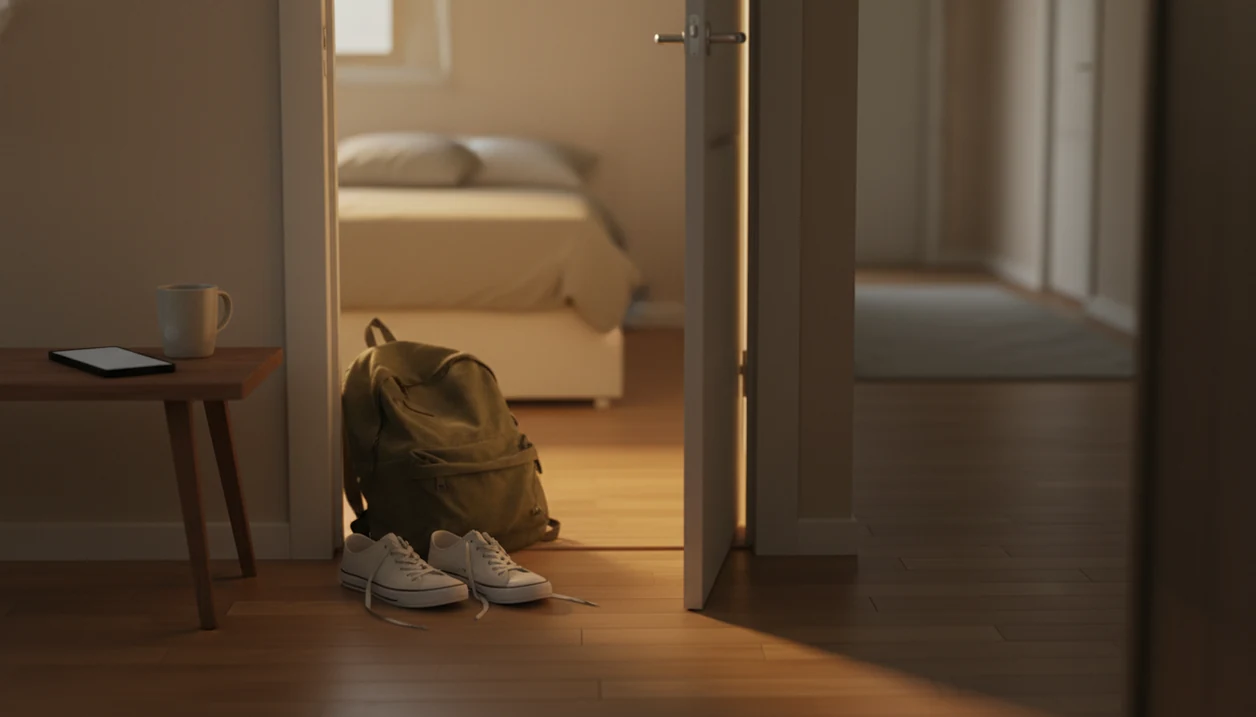


When a teenager is angry, the first step is to lower the intensity: speak calmly, use short neutral phrases, give space when safe, and discuss the trigger and boundary later. Teen anger is an emotional and physical stress response that can appear as yelling, sarcasm, door-slamming, withdrawal, defiance, or aggression. Stress, anxiety, poor sleep, depression, and feeling misunderstood can sit behind the behavior.
The immediate goal is safety, not winning the argument. Once everyone is calmer, look for patterns involving school pressure, bullying, conflict, sleep, or screen use. Breathing, movement, journaling, and willing participation in meditation may support coping between arguments; therapy may be needed. This guide is educational, not a diagnosis or crisis plan. If a teen may hurt themselves or someone else, seek emergency or crisis support immediately.
First steps and warning signs
- De-escalate first: speak less, lower your voice, and pause the conversation if either person is too activated.
- Look for patterns behind the anger, especially sleep loss, anxiety, school pressure, depression, bullying, conflict, or screen-related stress.
- Use long-term coping routines such as breathing, movement, journaling, therapy when needed, and guided meditation or sleep audio as supportive tools.
Angry Teenager What To Do in the First Five Minutes
“Angry teenager what to do?” Pause first, check safety, lower your voice, and use fewer words than you want to use.
Try short phrases: “I’m not going to argue while we’re both heated.” “We can take ten minutes and come back.” “I’m here, and I’m not okay with threats.” If siblings are watching or scared, move them to another room. If your teen is blocking a doorway, breaking objects, threatening self-harm, or threatening someone else, call emergency support or a crisis line.
Do not lecture, mock, chase, block exits, or match their volume. Those moves can turn a fight about homework into a fight about respect. The hallway gets loud fast. Your job in the first five minutes is not insight. It is safety and downshifting.
Teen Anger in the Brain, Body, and Family System
Teen anger works through brain development, nervous-system arousal, and family feedback loops.
Adolescent brains are still building skills for impulse control, perspective-taking, and emotional regulation. Under stress, those skills can become less reliable. The body adds fuel: racing heart, tight muscles, shallow breathing, and narrowed thinking. That is fight-or-flight, in plain clothes.
Then the family system joins in. A parent feels disrespected and raises their voice. The teen hears control or criticism and escalates. Soon the original issue disappears. The argument becomes about tone, attitude, and who “started it.”
Per the CDC, about 42% of high school students in 2021 felt persistently sad or hopeless, and 29% reported poor mental health in the prior 30 days source. Irritability can be one visible edge of broader distress.
Five Angry Teenager What To Do Facts Parents Should Know
- Anger is often a signal, not the whole problem. Look beneath the explosion for stress, shame, fear, exhaustion, or feeling unheard.
- Parent regulation changes the room. A calm adult does not guarantee calm, but it lowers the chance of a shouting spiral. For caregivers raising autistic children, mindfulness for parents of autistic children offers a more specific perspective on managing parental stress.
- Boundaries still matter after de-escalation. Teens need limits, but they hear them better when their body has cooled down.
- Sleep, anxiety, depression, bullying, and academic pressure can all look like anger. A teen who snaps nightly may be running on too little rest and too much pressure.
- Professional help is needed when safety or functioning changes. Threats of self-harm, violence, major withdrawal, or school refusal should not be handled alone.
According to NIMH data, about 15.8% of U.S. adolescents ages 12 to 17 had a major depressive episode in the past year source. Teen depression may show up as irritability, not just sadness.
Five-Step Angry Teenager What To Do Plan for Home
Use this plan before the next blow-up, not only during one.
- Set a safety rule for no threats, hitting, blocking exits, intimidation, or destruction.
- Pause heated conversations for 10 to 20 minutes when voices rise or insults start.
- Name the trigger later with curiosity: “What felt unfair about that moment?”
- Agree on one repair action such as an apology, cleanup, replaced item, or problem-solving talk.
- Review patterns weekly including sleep, screen use, school stress, friendships, and anxiety signs.
For many families, a short reset works better than a long lecture because the teen’s body has time to settle before problem-solving starts. If younger siblings are copying the conflict style, a simple family mindfulness routine can give everyone the same language for pausing.
Angry Teenager Boundaries, Consequences, and Respect Rules
How do you set limits without turning every conflict into a power struggle? Separate boundaries, consequences, and punishments. For a school-based perspective on discipline, consider how meditation instead of detention may support reflection rather than punishment.
A boundary states what is allowed: “I’ll talk when there is no name-calling.” A consequence is linked to the behavior: a phone break after abusive texting, repair after property damage, or a calm discussion before rides or privileges resume. A punishment is often broader and more emotional, such as taking everything away for a month because you feel furious.
Keep consequences short, predictable, and tied to the action. Character attacks do not teach regulation. “You’re selfish” lands differently from “You need to repair the damage before friends come over.”
Respect is modeled through calm firmness, not permissiveness. For parents with younger children too, parent and child breathing exercises can make “pause first” a household skill. For younger siblings, mindfulness books for kids can introduce simple ways to notice feelings and practice pausing together.
Common Mistakes That Make Teen Anger Worse
The fastest way to make teen anger worse is to add shame, pressure, or unpredictability to an already overloaded nervous system. Most parents do this accidentally, especially when they feel scared or disrespected.
- Stop lecturing during escalation. A long explanation can sound like prosecution when your teen is flooded. Say one calm limit, pause, and save teaching for later.
- Avoid sarcasm, threats, and public correction. “Nice attitude” or “everyone can see how ridiculous you are” usually creates more defensiveness. Move the conversation private and use plain words.
- Do not block doorways or follow them room to room. Space can help regulation. If they are not unsafe, let them step away and set a time to return.
- Keep consequences consistent. If yelling sometimes gets a dropped rule, a ride, or a rescued assignment, bigger blow-ups can become the strategy. Link the consequence to the behavior and repeat it calmly.
- Treat intimidation as safety, not attitude. Threats, weapons, physical aggression, blocking exits, or self-harm comments mean the plan changes: protect people first and get urgent help.
Sleep and Anxiety Triggers Behind Angry Teenager Blow-Ups
Poor sleep, anxiety, and anger can feed one another. A tired teen has less emotional bandwidth, anxiety makes ordinary requests feel threatening, and anger at night can delay sleep again.
Start with practical routines. Set a consistent wind-down time. Move devices out of the bed zone. Try breathing before homework, movement after school, and a few lines of journaling before sleep. At 2:13 a.m., when the lock screen says they are still awake, problem-solving tomorrow gets harder.
Tools like MindTastik can support guided meditation, sleep audio, breathing exercises, and self-hypnosis for teens who want a private starting point. Meditation apps for sleep anxiety and everyday calm can offer guided sessions, breathing cues, and wind-down structure, not a diagnosis, cure, or substitute for therapy. For a teen-specific starting place, meditation for teens sleep and stress may fit better than a generic adult routine.
Ask about belonging and safety, not just behavior
A conversation about anger also needs room for questions about feeling safe and accepted. The CDC’s youth mental-health summary reports that approximately 65% of LGBTQ+ students experienced persistent sadness or hopelessness, and 41% seriously considered attempting suicide. These population findings do not explain an individual teen’s anger or mean that LGBTQ+ identity causes poor mental health. They support attention to minority stress, belonging, and family and school support.
After an argument has settled, practical questions might include: “Are you being treated badly at school?” “Is there anything you are afraid to tell me?” and “Who feels safe to talk to?” Listen without turning disclosure into another argument. Acceptance does not remove limits on threats or aggression; it makes room to discuss what is happening alongside those limits. Bullying, fear, or rejection needs attention beyond consequences for the outburst.
Meditation Support for Angry Teenagers: Best For and Not For
Meditation support can help some teens practice regulation between blow-ups, but it is not enough for danger, severe symptoms, or unsafe homes.
| Best for | Not for |
|---|---|
| Sleep wind-down after tense evenings | Active violence or threats |
| Anxiety before school | Suicidal comments or self-harm risk |
| Focus before homework | Severe depression or major withdrawal |
| Shared parent-teen breathing | Abuse, coercion, or fear at home |
| Post-argument reset | Substance crisis or replacing licensed care |
A JAMA Pediatrics meta-analysis of 66 randomized trials found small but meaningful improvements in attention, self-control, and well-being from school-based mindfulness programs source. A youth mental-health apps review also found promising short-term results for CBT- and mindfulness-based apps, though the evidence is still developing and many studies are brief or small source.
Apps such as MindTastik, Calm, and Headspace may help when a teen says, “I just need something to play when my thoughts get loud.” Keep the choice collaborative.
Angry Teenager Warning Signs That Need Professional Help
Some anger patterns need outside support quickly. Do not wait for meditation, consequences, or another family talk when safety is at risk.
- Self-harm threats or suicidal comments: Contact a crisis line, pediatrician, therapist, or emergency services based on urgency.
- Threats toward others, weapons, or physical violence: Prioritize immediate safety and professional help.
- Cruelty, intimidation, or serious property destruction: Treat this as more than “teen attitude.”
- Major withdrawal or school refusal: Anger plus isolation can signal depression, anxiety, bullying, or another mental health concern.
- Substance misuse or persistent hopelessness: Involve a pediatrician, school counselor, or licensed therapist.
Clinicians typically recommend professional evaluation when anger comes with danger, major functioning changes, or ongoing sadness and anxiety. You are not diagnosing your teen by asking for help. You are widening the support circle.
Optional calming practice between arguments
MindTastik’s breathing exercises can provide a shared pause for a parent and teen who both want one. Guided meditations offer another option between arguments, while sleep stories or soundscapes may suit an evening wind-down. These are optional coping tools, not something to insist on during an outburst. Families who prefer reading together can try children's books with mindfulness messages as another way to discuss feelings outside arguments.
A teen who dislikes guided audio may prefer movement, music, art, or journaling. Threats, self-harm risk, severe withdrawal, or fear at home call for professional support and safety measures, not an app session. When filling every quiet moment becomes the default, consider how shielding kids from boredom may affect opportunities for self-directed activity.
What calming techniques cannot resolve
This guide is a starting point, not a full assessment.
- Meditation apps can support sleep, anxiety relief, focus, and everyday calm, but they do not replace professional evaluation or treatment.
- Not every teen will like guided meditation. Some prefer sports, music, art, journaling, therapy skills, or time outdoors.
- Evidence for youth mental-health apps is promising but still limited and often short-term.
- De-escalation can reduce argument intensity, but it does not automatically fix bullying, trauma, family conflict, or academic pressure.
- Parents also need to change communication patterns. The teen cannot be the only person expected to regulate.
- If safety is at risk, urgent professional or emergency support matters more than any home routine.
- A meditation app can support routines, but it should not be treated as crisis care.
For younger family members who need simpler audio, a meditation for kids app may be more suitable than teen-focused sessions.
Questions about teen anger
What should I do when my teenager starts yelling?
Check safety first, lower your voice, and use fewer words. A short statement such as “We can talk when there is no shouting” sets a limit without a lecture. Give space when safe, protect frightened siblings, and return to the issue later. Do not follow the teen from room to room or block exits.
Why is my teenager angry all the time?
Frequent anger can reflect stress, anxiety, poor sleep, depression, bullying, school pressure, or feeling unheard. The behavior alone cannot identify the cause. Look for changes in sleep, friendships, school attendance, and interests. Anger that lasts weeks or months and disrupts daily life deserves an assessment by a health professional.
Should I punish my teenager for an angry outburst?
Separate the feeling from the behavior. Anger does not excuse threats, hitting, abusive messages, or property damage. After everyone is calmer, use a predictable consequence linked to the action, such as cleaning up or repairing damage. Broad punishments imposed in anger can shift attention away from the original problem and toward another power struggle.
What if my teenager shuts down and refuses to talk?
Reduce pressure and offer a pause rather than demanding an immediate explanation. Agree to revisit the conversation when both people are calmer. A brief shutdown during conflict is different from major or persistent withdrawal. Loss of interest, school refusal, changed sleep, or isolation alongside anger are reasons to seek professional support.
Can anxiety or lack of sleep make a teenager angry?
Both can contribute. Anxiety may make ordinary requests feel threatening, while poor sleep can leave a teen with less capacity to manage frustration. Look for patterns around school mornings, homework, and late nights. A steadier wind-down routine may help, but sleep changes do not replace assessment when symptoms are severe or persistent.
When does teenage anger need urgent help?
Threats of self-harm or harm to others, weapons, physical violence, and serious destruction require immediate attention to safety. Imminent danger calls for emergency services. In the United States, call or text 988 for the Suicide & Crisis Lifeline. Persistent withdrawal, substance use, or major school decline also warrants professional assessment, even without an immediate emergency.
What should I say after an argument with my teenager?
Start with a specific acknowledgment: “I raised my voice, and that was not helpful.” Then ask what felt unfair or overwhelming, restate the boundary, and agree on one repair action. A parent can apologize without accepting threats or aggression. Keep the discussion focused on what happened and what each person will do differently.
Does meditation help an angry teenager calm down?
Meditation may support regulation between arguments, but research in young people shows small, variable benefits rather than a guaranteed treatment. Offer it as a choice when the teen is calm enough to participate. Movement, journaling, or music may be more acceptable. Meditation should not replace professional care or become a demand during an outburst.