
Mindful Parenting During Divorce: A Calm, Child-Centered Guide
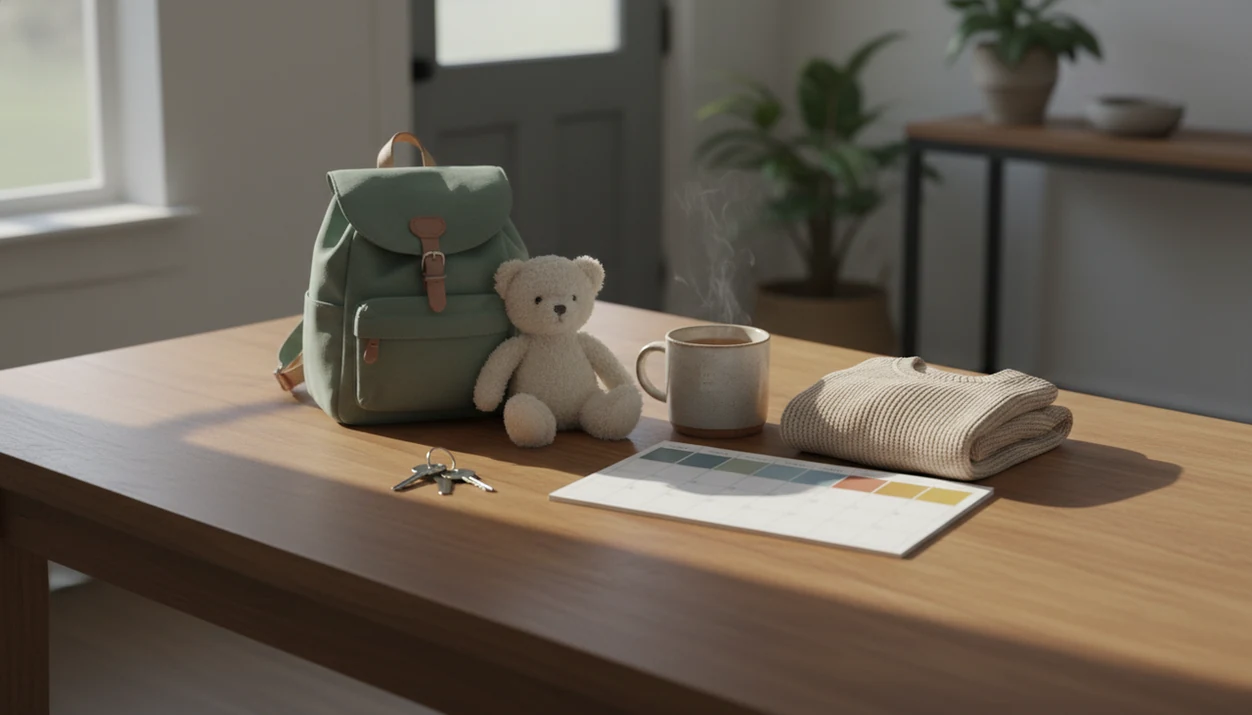


Mindful parenting during divorce means noticing stress, pausing before responding, and choosing words and routines that keep children out of adult conflict. It is not a promise of perfect calm. A parent can feel angry, frightened, or exhausted and still avoid blame, keep a bedtime routine, or apologize after raising their voice. The aim is to help a child feel safe and heard while family life changes.
That means giving honest, age-appropriate explanations without legal details, listening before offering reassurance, and keeping children out of messenger or referee roles. Small pauses matter, but so does what follows them: a clear pickup plan, a respectful goodbye, or a repair that makes clear the child is not responsible for adult feelings.
Mindful Parenting During Divorce in Plain Language
Mindful parenting during divorce is awareness plus intentional action, not emotional suppression. It means you notice the anger in your chest, the fear behind your words, or the urge to over-explain, then choose a child-centered response.
Children usually need four things during divorce: safety, honesty, routine, and freedom from adult conflict. They do not need legal updates, blame, private relationship details, or pressure to comfort a parent.
The parent’s nervous system is part of the parenting plan. A child can feel the difference between “I’m furious, but I’m breathing before I speak” and “I need you to hear why your other parent is wrong.”
The pause matters.
For many families, a family mindfulness routine gives children a simple rhythm when the rest of life feels rearranged.
5 Mindful Parenting During Divorce Facts Parents Should Know
- Conflict exposure is stressful for children. Children tend to cope better when adult arguments, blame, and legal disputes stay away from them.
- Validation usually comes before reassurance. “That sounds really hard” often lands better than “Don’t worry, everything is fine.”
- Predictable routines reduce uncertainty. Similar bedtime steps, school plans, and handoff rituals help children know what happens next.
- Self-regulation changes the conversation. A parent who pauses before replying is less likely to use reactive words, threats, or guilt.
- Children should not carry adult roles. They should not be messengers, confidants, spies, referees, or emotional caretakers.
A widely cited estimate from family-structure research suggests that about half of U.S. children may experience the breakup of a parent's union by age 18; see the summary in The Future of Children from Princeton-Brookings: sourceandchildwellbeing1502fulljournal.pdf. That does not mean every child is harmed in the same way. It means calm, consistent adult behavior matters.
How Mindful Parenting During Divorce Works
Mindful parenting during divorce works through a simple sequence: pause, notice, choose. You pause before reacting, notice what is happening in your body and thoughts, then choose words or actions that protect your child’s sense of security.
The useful term here is emotion regulation. In plain language, it means calming your own stress response enough to act on your values instead of your first impulse. When a parent lowers their voice, keeps the handoff brief, or says, “I need a minute before I answer,” the child receives a steadier signal.
Predictable routines also help. A packed backpack by the door, the same bedtime phrase in both homes, or a calm repair after snapping can lower daily stress. Mindfulness does not fix custody conflict, trauma, unsafe behavior, or legal problems. It supports the parent’s next response.
Good meditation apps for sleep, anxiety, and everyday calm can offer guided sessions and breathing support, not legal advice, therapy, or a guarantee of peaceful co-parenting.
What parenting research supports, and what it does not
Research on mindful parenting offers some support for stress management, but the findings are mixed. A 2016 systematic review of mindful-parenting programs found only seven eligible randomized controlled trials among 1,232 records. Some results suggested lower parental stress and improvements in certain parenting or child outcomes. However, methodological limitations meant the authors could not establish broad benefits for parent or child wellbeing.
A 2021 review of 11 studies involving 1,340 parents found no significant overall effect on parenting stress or overall parenting mindfulness. Evidence for better parent-child relationships and child behavior was also limited or inconsistent. These reviews concern parenting programs, not proof that meditation improves divorce outcomes. The practical takeaway is to use mindfulness as an additional parenting skill, while keeping legal, clinical, and safety support separate.
6 Daily Mindful Parenting During Divorce Steps
Use these steps when the day feels too loaded. They are small enough for a school morning or a tense handoff.
- Pause before hard conversations. Take three slow breaths before speaking to your child or co-parent.
- Name your own emotion silently. Try, “I’m angry,” “I’m scared,” or “I’m tired,” without making your child responsible for it.
- Speak in short child-centered sentences. Say, “The grown-ups are working on the plan. You are loved by both of us.”
- Plan transition routines. Keep the same bag checklist, goodbye phrase, pickup time, and comfort item when possible.
- Repair after mistakes. Say, “I’m sorry I raised my voice. That was not your job to handle.”
- Reset before bed. Use dim lights, quiet audio, or a short breathing practice before you answer one more message.
Tools like MindTastik can support adults with short breathing, sleep audio, and calming sessions. It is support for regulation, not therapy.
Mindful Parenting During Divorce Tips for Talking to Kids
What should I say to my child about divorce? Use short, honest, age-appropriate language that avoids blame and makes clear the divorce is not the child’s fault.
Children may ask the same question again and again. That repetition is not manipulation. It is often their way of checking whether the answer is still safe. Keep the tone steady, even when you feel drained. For LGBTQ children, affirming mindfulness practices for LGBTQ youth can complement steady reassurance that their identity is respected during family changes.
Do not share legal, financial, romantic, or adult emotional details. A child does not need to know who filed, who paid, who betrayed whom, or which parent is angrier.
Simple phrases for younger children
“Mom and Dad will live in different homes.” “You did not cause this.” “You can love both parents.”
Calm wording for older children
“We will answer your questions honestly, but some adult details will stay between adults.” “You are not responsible for choosing sides.” For younger kids who need body-based calming, parent and child breathing exercises can make the conversation less abstract.
Mindful Parenting During Divorce Fit Table: Best For and Not For
Mindful parenting during divorce fits parents who want calmer communication and steadier routines, but it is not a replacement for professional support when safety, custody, or mental health concerns are serious.
| Best for | Not for |
|---|---|
| Parents trying to lower reactivity during hard conversations | Replacing legal advice or custody agreements |
| Families building predictable routines across two homes | Handling unsafe behavior without a safety plan |
| Co-parents who need child-centered transition habits | Serving as therapy for a parent or child |
| Adults who want to pause before texting, arguing, or oversharing | Resolving high-conflict divorce dynamics by itself |
| Parents supporting bedtime, school mornings, and handoffs | Crisis intervention or emergency support |
MindTastik supports sleep, anxiety, breathing, and everyday calm practices for adults. It should not be used as a substitute for a lawyer, therapist, custody mediator, or emergency service.
For an overwhelmed parent, a short breathing routine is often easier than a long meditation because it can fit between pickup, dinner, and bedtime.
Child Stress Signals During Divorce and Mindful Responses
Children show divorce stress in different ways, and reactions vary by age, temperament, history, and support. The goal is to observe patterns without blaming every behavior on the divorce.
The American Academy of Child and Adolescent Psychiatry notes that children may show divorce-related distress through sadness, anger, guilt, sleep changes, school problems, or behavior changes: sourceandYouth/FactsforFamilies/FFF-Guide/Children-And-Divorce-001.aspx.
- Guilt: A child may say, “Was it because I was bad?” Respond with clear reassurance: “No. This is an adult decision.”
- Anxiety: Repeated questions, stomachaches, or clinginess may signal worry. Validate first, then repeat the plan.
- Behavior changes: Anger, defiance, or sudden tears can appear when a child lacks words. Keep limits calm and consistent. For everyday outbursts, mindful responses to tantrums can help parents keep boundaries clear while acknowledging a child’s feelings.
- Regression or withdrawal: Bedwetting, baby talk, isolation, or silence may need patience and closer observation.
- Focus and sleep disruption: School struggles or bedtime resistance can show stress, but they can also have other causes. For students affected by trauma, trauma-informed mindfulness at school should be adapted to their needs alongside qualified support.
If patterns persist, loop in a pediatrician, therapist, or school counselor. For bedtime support, bedtime meditation for children may help create a calmer night routine alongside adult guidance.
When to Seek Professional or Emergency Help
Seek professional or emergency help when safety is uncertain, distress is lasting, or divorce conflict is interfering with daily life. Mindfulness can steady your next breath, but it cannot replace clinical care, legal guidance, or a safety plan. Parents can explore mindfulness support for children with trauma as an optional complement to care from a qualified professional.
Some sadness, clinginess, anger, or extra questions can be part of normal adjustment. The concern rises when sleep, school, friendships, eating, behavior, or mood stay disrupted, intensify, or leave a child unable to function as usual.
- Call local emergency services immediately if there is abuse, threats, self-harm risk, unsafe exchanges, stalking, coercive control, weapons, or any immediate danger.
- Contact a pediatrician or therapist when a child’s distress persists, becomes severe, or shows up in body symptoms, sleep loss, panic, withdrawal, aggression, or school decline.
- Ask a school counselor when teachers notice changes, attendance drops, or your child needs support during the school day. A mindful minute for students can offer a brief classroom pause alongside support from teachers and school counselors.
- Use a mediator or lawyer when communication, custody, exchanges, boundaries, or written agreements are unclear or unsafe.
- Keep mindfulness in its role as support for regulation, not proof that you should tolerate harm or manage serious problems alone.
Transition Routines for Mindful Co-Parenting During Divorce
Predictable transitions reduce anxiety because children do not have to guess what comes next. Handoffs are not the time to negotiate, criticize, or send messages through the child.
Use simple scripts. “Have a good time with Dad. I’ll see you Sunday after lunch.” Or, “Your backpack is ready, and your library book is inside.” Keep neutral locations if face-to-face contact tends to escalate.
A packed-bag checklist can include school items, medication instructions, comfort objects, chargers, sports gear, and favorite pajamas. Bedtime should stay as similar as possible across homes, even if the homes feel different.
The car ride after a handoff can feel very quiet: a child may stare out the window, clutch a backpack strap, or ask the same question twice before they are ready to talk.
Afterward, give yourself a reset practice. Try one minute of breathing, a short meditation, or calming audio before opening texts. Apps such as MindTastik, Calm, and Headspace can help adults choose a starting point.
Sources Used in This Mindful Parenting During Divorce Guide
This guide draws on child psychiatry, pediatrics, and family research to support calm, child-centered parenting during divorce. These sources support the need for predictable routines, lower conflict exposure, and professional help when distress or safety concerns go beyond everyday stress.
- Use child psychiatry guidance to watch for distress. The American Academy of Child and Adolescent Psychiatry’s Facts for Families: Children and Divorce explains that sadness, anger, guilt, sleep changes, and school problems can appear during divorce: source.
- Use family research to understand risk without panic. The Future of Children from Princeton-Brookings summarizes research on marriage, breakup, and child well-being, showing why stable adult behavior matters: source.
- Use pediatric care when symptoms persist. The American Academy of Pediatrics, through HealthyChildren.org, encourages parents to involve a pediatrician when family stress affects sleep, behavior, school, or emotional health: source.
Mindfulness can support steadier responses, but it does not settle custody disputes, treat trauma, or make unsafe contact safe.
Parent pauses and bedtime support during separation
MindTastik’s guided meditations and breathing exercises can provide a structured pause before a difficult message or custody handoff. Its kids sessions and sleep stories are options for a familiar bedtime activity during changes at home. These sessions support a routine, not a custody agreement or a resolution to conflict. Families facing unsafe exchanges, persistent child distress, or serious mental health concerns need qualified support rather than an app alone.
When divorce calls for more than a mindful pause
Mindful parenting is useful, but it has real limits. Some divorce problems require legal, clinical, or safety support before calm communication is realistic.
If there is abuse, stalking, coercive control, threats of self-harm, unsafe substance use, or fear during exchanges, prioritize a safety plan and qualified local help before trying co-parenting communication techniques.
- Mindfulness is not legal advice, therapy, custody planning, or safety planning.
- It may not resolve high-conflict divorce dynamics by itself.
- It is harder to practice when a parent is sleep-deprived, anxious, overwhelmed, or unsafe.
- Children with persistent distress may need support from a therapist, pediatrician, or school counselor.
- Respectful co-parenting still needs boundaries, written plans, and clear structure.
- A calm tone does not mean accepting manipulation, harassment, or unsafe contact.
- Meditation and breathing can support regulation, but they do not replace professional care.
Clinicians typically recommend seeking qualified help when a child’s distress persists, safety is uncertain, or conflict keeps interfering with daily life.
For teens who resist “little kid” calming tools, meditation for teens sleep and stress may feel more age-appropriate.
Parenting through divorce: common questions
How do I explain divorce to my child without blaming the other parent?
Use a short explanation about what will change: the adults will live in different homes, and the child did not cause the separation. Explain the next known arrangements, such as school pickup or bedtime. Leave out accusations, legal disputes, and private relationship details. It is fine to say a plan is not settled yet.
What should I say when my child thinks the divorce is their fault?
Answer directly: “No. This is an adult decision, and you did not cause it.” Listen to what prompted the question before adding reassurance. Children may need the same answer more than once. Do not ask them to behave better, comfort a parent, or help bring the adults back together.
How can I stay calm during custody handoffs?
Prepare the bag and pickup details ahead of time, then pause before the exchange. Keep words brief and focused on the child’s immediate needs. Save disagreements for a separate adult conversation. If face-to-face contact escalates or feels unsafe, a calm script is not enough: prioritize a safety plan and qualified local help.
What if my child keeps asking whether we will get back together?
Give a steady, honest answer rather than a promise that cannot be kept. If reconciliation is not planned, say so gently. Acknowledge that the child wishes things were different, then explain what is known about the coming days. Repeated questions can be a way of checking that the answer remains the same.
How do I repair things after shouting at my child during divorce stress?
Apologize for the specific behavior: “I’m sorry I shouted. That was not your fault.” Avoid adding a complaint about the other parent or asking the child to reassure you. Say what will change next time, such as taking a pause before answering, and return to the child’s question or need.
Do children need identical routines in both homes?
The homes do not have to feel identical. Aim for predictable essentials where possible: clear pickup times, a familiar bedtime sequence, school supplies, and a comfort item. Explain differences simply. A dependable routine in one home is still useful when the other parent does not agree to matching arrangements.
When should I get professional help for my child during divorce?
Seek professional support when changes in sleep, eating, school, friendships, behavior, or mood persist, worsen, or interfere with daily life. Observe patterns rather than assuming every difficult moment is caused by divorce. Immediate danger, abuse, threats, or self-harm risk require urgent local help, not a meditation exercise.
Can meditation make co-parenting easier after separation?
Meditation may help a parent pause and choose a less reactive response, but research on parenting programs is mixed. It cannot make another adult cooperate or resolve custody disputes. Use it alongside clear communication and predictable routines, not as a substitute for therapy, legal guidance, or safety planning.