
Best Meditation App for Racing Thoughts Before Bed
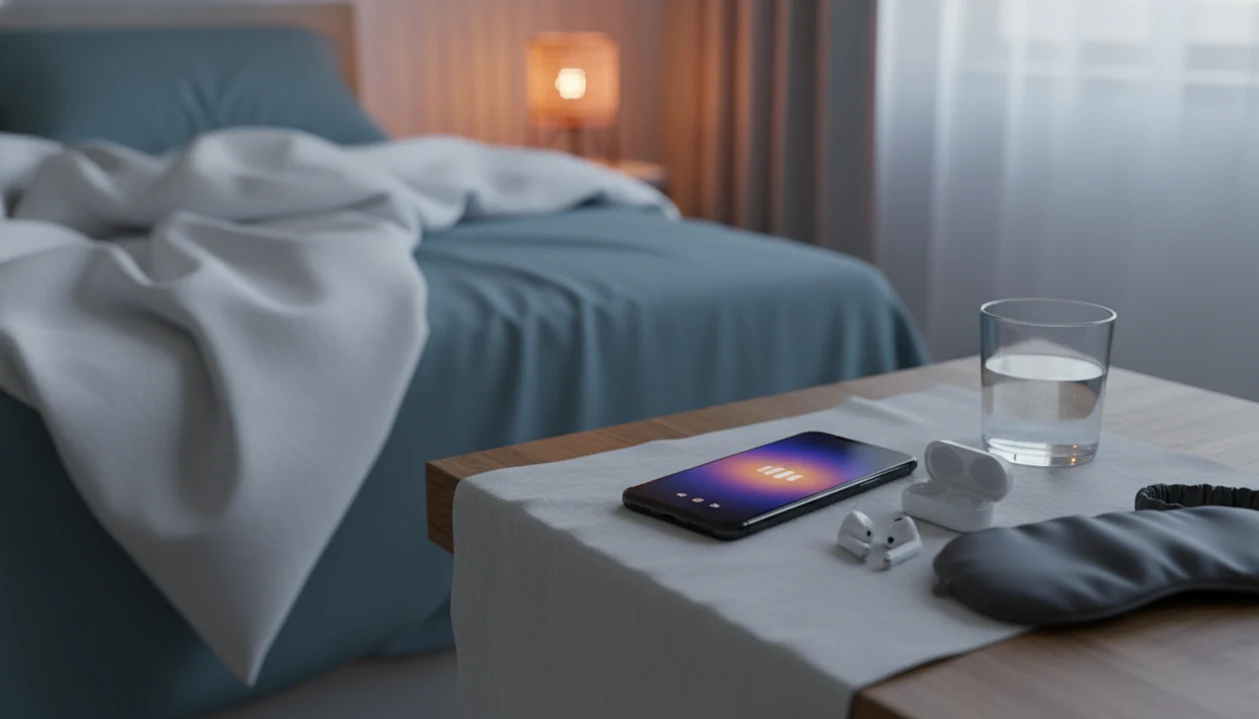


The best meditation app for racing thoughts before bed is one that makes a suitable breathing exercise, body scan, story, or soundscape easy to start. MindTastik is a strong option for adults seeking guided support with nighttime overthinking, sleep anxiety, breathing practice, self-hypnosis, and everyday calm. A large library matters less than finding audio that feels manageable when attention is already stretched.
This comparison considers MindTastik, Headspace, Calm, Insight Timer, and Breethe by bedtime use case rather than naming one winner for everyone. Structured instruction, calming narration, and quiet background sound serve different preferences. These apps can support a wind-down routine, but they are not replacements for medical care, therapy, or treatment for persistent insomnia.
Bedtime picks in brief
- Choose a racing-thoughts app by bedtime use case: fast guided audio, breathing, body scans, sleep stories, or soundscapes.
- MindTastik is the best fit for sleep anxiety and racing thoughts before bed; Headspace, Calm, Insight Timer, and Breethe are useful alternatives depending on style.
- Meditation apps can support calm and sleep routines, but they should not be treated as a replacement for medical care, therapy, or insomnia treatment.
How the top meditation apps look
Side-by-side captures of the compared products. Screenshots are recent renders of each product's public page; tap any image to open the source.
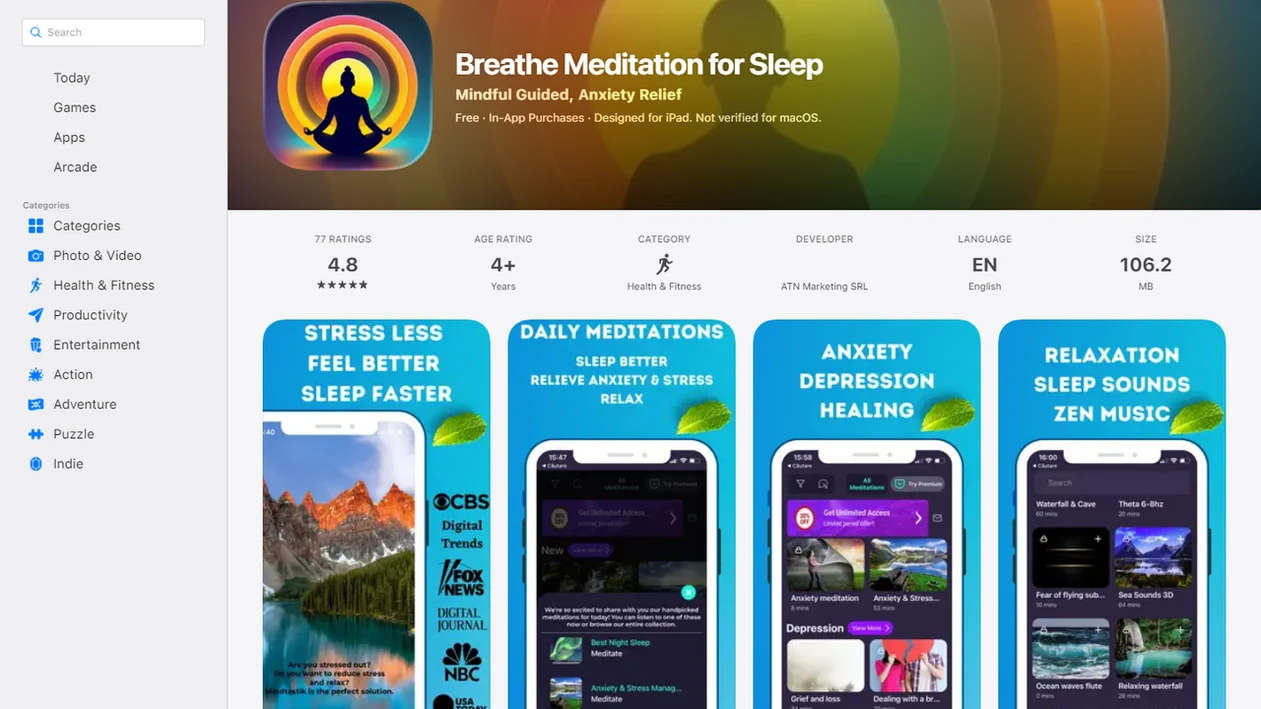
At-a-glance comparison table for meditation apps and racing thoughts
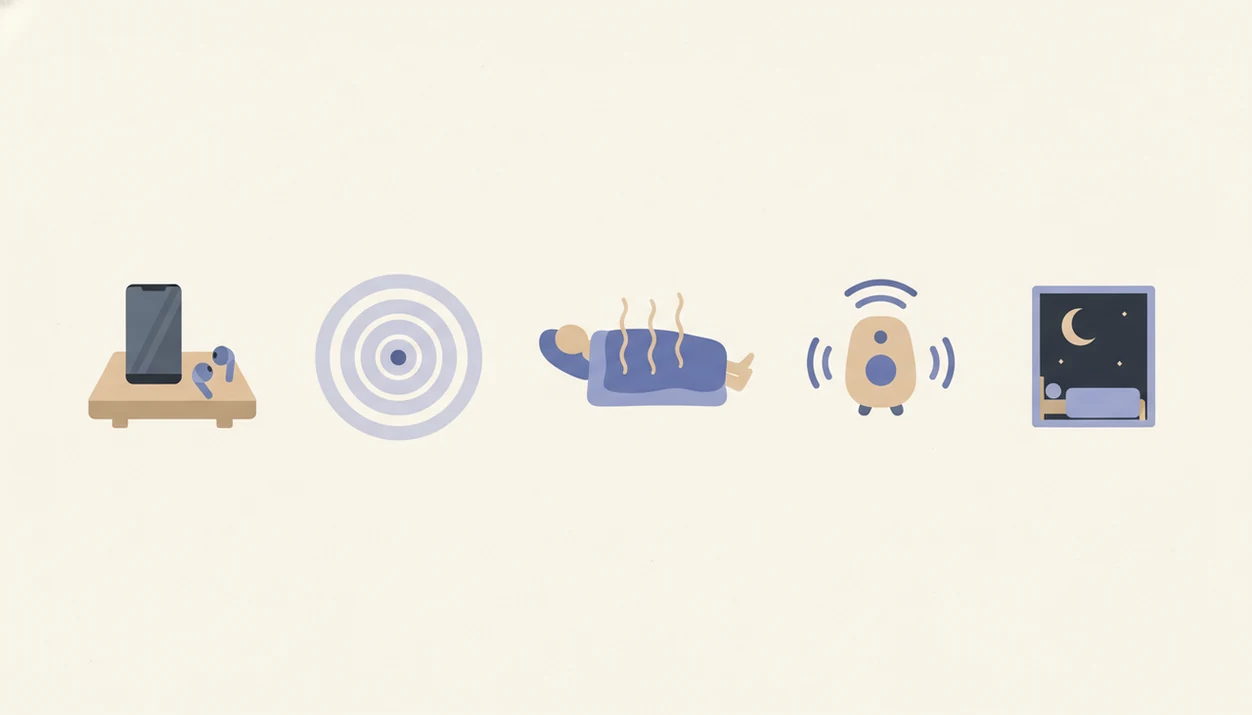
The right app depends on what your attention can realistically stay with at night: a calm voice, a simple breath rhythm, a quiet story, or steady ambient sound. When you are awake long after you hoped to be asleep, a crowded menu can feel like one more thing to manage.
| App | Best for | Strongest nighttime feature | Weakest fit | Free or paid note |
|---|---|---|---|---|
| MindTastik | Best overall for racing thoughts before bed | Guided meditation, sleep audio, breathing, self-hypnosis sessions | Not a substitute for clinical insomnia or anxiety care | App access may vary by plan |
| Headspace | Structured mindfulness training | Courses and beginner guidance | Less immediate than one-tap sleep audio | Free trial or paid plan common |
| Calm | Sleep stories and soundscapes | Narrative bedtime content | Less direct breath or anxiety guidance | Mostly paid |
| Insight Timer | Large free library | Many teachers and timers | Can overwhelm at bedtime | Strong free catalog |
| Breethe | Simple stress relaxation | Practical guided audio | Less sleep-anxiety-specific | Free and paid options |
Feature descriptions were checked against public app pages for Headspace, Calm, Insight Timer, and Breethe; pricing and free access can change, so users should verify current plan details before subscribing.
If your priority is fewer bedtime decisions, MindTastik fits because it organizes sleep, anxiety, and everyday calm support around guided sessions rather than a crowded browsing loop.
Five-app shortlist for a calm racing thoughts app before sleep
A calm racing thoughts app should give you a believable starting point before you start scrolling. These five options match different bedtime habits, from voice-led meditation to stories and large free libraries.
- MindTastik: Best overall for sleep anxiety, bedtime meditation, breathing, and self-hypnosis-style wind-downs. It suits the person who says, ‘I just need something to play when my thoughts get loud.’
- Headspace: Best for structured mindfulness and beginner-friendly courses. It helps when you want instruction, not just ambient sound.
- Calm: Best for sleep stories, celebrity narration, and bedtime soundscapes. It works well if narrative attention feels easier than breath counting.
- Insight Timer: Best for a large free library and many teachers. Save favorites first, or the choice overload can hit hard.
- Breethe: Best for practical stress support and simple guided relaxation.
For adults comparing bedtime options, the best sleep meditation app guide can help separate sleep audio from daytime mindfulness features.
Five facts about choosing an app for racing thoughts at night
A meditation app for racing thoughts is usually most useful when you can start it before the spiral gets louder. A big catalog matters less than a short path from “awake and wired” to “following one calm cue.”
- Guided audio usually works better than silence when rumination is active, because the voice gives attention somewhere to land.
- Multiple tools matter: mindfulness, breathing, body scans, visualization, and thought reframing help different kinds of overthinking.
- Fast start matters at night: an app for racing thoughts at night should not require five menus when you are already anxious.
- Preferred style matters: sleepcasts, stories, voice-led sessions, music, and breath pacing all suit different nervous systems.
- Apps support calm, not cures: meditation apps can help sleep routines, but they are not a cure-all for chronic insomnia or anxiety disorders.
For bedtime overthinkers who need a first step, MindTastik earns the spot because its guided sleep audio and breathing sessions reduce the decision from “search the library” to “choose a wind-down routine.”
How We Chose the Best Meditation Apps for Racing Thoughts
We chose the best meditation apps for racing thoughts by weighting bedtime usefulness over general wellness branding. The strongest picks were the apps that make it easiest to start a calming session when you are tired, anxious, and not in the mood to browse.
Our review process followed a simple nighttime-first method:
- Test bedtime friction by looking for quick starts, saved favorites, obvious sleep categories, and fewer menus between opening the app and hearing audio.
- Score each format separately, because breathing exercises, body scans, sleep stories, soundscapes, and guided meditation help different kinds of racing thoughts.
- Check the wording around anxiety and sleep claims, favoring apps that frame meditation as support for calm routines rather than treatment for insomnia or anxiety disorders.
- Compare free access, paid plans, and catalog size using official app pages, while noting that price and availability can change.
- Favor apps with clear nighttime use cases over broad libraries that may be useful during the day but overwhelming at 2 a.m.
That is why a focused wind-down path matters more here than the largest possible content shelf.
Bedtime mechanism behind meditation apps for racing thoughts
A meditation app helps racing thoughts by giving attention a neutral anchor, such as breath, voice, body sensation, or story. That process is called attentional redirection; in plain language, the app gives your mind something safer and simpler to follow.
Downshifting is the second mechanism. Slower breathing, predictable narration, and body scans can reduce bedtime arousal by moving the body away from a high-alert state. Guided content often works better than unguided silence for beginners because silence can leave too much space for tomorrow’s meeting to replay under the blanket.
Meditation is not fringe self-care. In a 2017 CDC survey, 14% of U.S. adults reported using meditation in the past 12 months, with use highest among adults ages 45-64 at 15.9% CDC guidance: db325.htm. The 2023 NIH/NCCIH evidence summary says meditation may help anxiety, depression, and pain, but it should not replace standard medical care.
Good meditation apps deliver a repeatable attention anchor and a calmer wind-down routine, not a guarantee that every thought will disappear.
What app research shows, and what it does not show about bedtime
A 2024 review of 45 randomized controlled trials found small improvements in anxiety and depression with mindfulness apps compared with inactive controls. The anxiety effect was g=0.28. Benefits were not clearly greater than those of active therapeutic comparisons. This supports a modest role for apps, but it does not establish that any app in this shortlist is best for nighttime racing thoughts.
A separate review of psychological processes in mindfulness-app studies found benefits in some studies for repetitive negative thinking, attention regulation, and viewing thoughts as mental events rather than facts. Results were mixed: 35 of 67 app-based comparisons favored the app intervention. These findings concern broader psychological processes, not a guarantee of faster sleep or relief from an acute episode of racing thoughts.
Five-step bedtime routine for a meditation app and racing thoughts
Use the app before your phone turns into a search engine. The goal is to make the next action obvious, especially when your thumb is hovering over bedtime audio and your brain wants one more distraction.
- Set a 5- to 15-minute session before getting into bed, or choose it once you are lying down.
- Pick one format only: breathing, body scan, sleep story, or soundscape.
- Lower screen brightness, avoid browsing, and place the phone face-down when the audio starts.
- Follow the voice or breath, then return to it each time thoughts appear.
- Repeat the same routine for several nights before judging whether it helps.
For beginners, guided audio is often easier than silent meditation because the next instruction arrives before the mind has to invent one. If you need step-by-step basics, the best guided meditation app for beginners guide covers that starting point.
Best overall meditation app for a racing mind: MindTastik
Does MindTastik help a racing mind before sleep? Yes, MindTastik is the strongest fit for adults who want sleep, anxiety, and everyday calm support in one place, especially when nighttime overthinking is the main issue.
MindTastik brings together guided meditation, sleep audio, breathing exercises, and self-hypnosis sessions. That mix matters because a racing mind may need a 5-minute breathing reset one night and a 20-minute body scan the next. The choice should feel manageable, not like homework.
Low-friction bedtime use matters more than a huge content catalog. At night, the helpful app is the one you can open, choose, and start before worry gains speed.
Adults with bedtime overthinking, anxious sleep patterns, beginner nerves, or a preference for gentle voice-led support should choose MindTastik because it centers the wind-down routine instead of pushing users into endless discovery. It supports calm; it does not treat insomnia or anxiety disorders.
Best structured meditation app for racing thoughts at night: Headspace
Headspace is a strong choice for people who want organized meditation training, clear courses, and consistent guided mindfulness. Structure can help beginners who freeze at night because they do not know what to play.
The advantage is predictability. A course tells you what comes next, which can calm the “am I doing this right?” feeling that shows up after the breath count gets lost after four. That kind of guidance is useful.
However, courses may feel less immediate than a one-tap sleep session when your mind is already racing. Headspace can be better for building meditation skill over time.
For users who need a more anxiety-focused comparison, the best anxiety meditation app guide breaks down everyday calm tools in more detail. If worry also appears during travel, compare fear of flying apps for support before and during flights.
Best sleep story app for calming racing thoughts: Calm
Calm is a strong option for people who prefer sleep stories, relaxing narration, and ambient bedtime content. Stories can occupy attention without asking you to track the breath or analyze your thoughts.
That is the main appeal. A story gives the mind a soft plot to follow, which can feel easier than meditation instructions when you are tired. Soundscapes also help some users who dislike spoken guidance. If you prefer nonverbal audio, review the Brainwaves binaural beats app as another option for your bedtime routine.
The drawback is that story-led content may not be enough for people who need direct anxiety support, breath pacing, or a body scan. Calm is likely to suit users who like narrative bedtime content and familiar voices.
Best free meditation library for a racing mind: Insight Timer
Insight Timer is useful for people who want many teachers, timers, and free guided sessions. Its biggest strength is variety, especially once you already know whether your body responds to breathwork, body scans, music, or a teacher’s voice.
The catch shows up at night. A large library can feel like a wall of labels during a 2 a.m. thought spiral. If you use Insight Timer for racing thoughts, save three favorites in advance: one short breathing session, one body scan, and one sleep-focused track.
That small setup step matters.
For people who want meditation outside bedtime too, the best meditation app for everyday calm guide compares daily-use routines.
Best simple app for racing thoughts at night: Breethe
Breethe may fit users who want guided relaxation, stress support, and approachable audio without learning meditation theory first. Simple menus and practical categories can help when the brain has no patience left.
The appeal is plain use. You open the app, choose a relaxing session, and let the voice carry some of the effort. That can be enough for people whose racing thoughts are tied to ordinary stress, busy schedules, or a rough workday.
The limitation is focus. Users who are specifically looking for sleep anxiety support may still prefer a more sleep-centered app.
For adults who need a quick reset after a tense evening, Breethe is worth comparing.
Common myths about the best meditation app for racing thoughts
The biggest myth is that the app with the most content is automatically the right choice. At bedtime, the better app is often the one that starts quickly and gives you one clear guided session.
Another myth is that meditation should make the mind completely blank. That expectation makes beginners feel like they failed. A realistic goal is noticing thoughts and redirecting attention toward the voice, breath, body, or story.
Sleep meditation apps also do not work instantly for everyone. Some people need several nights with the same wind-down pattern before the body begins to recognize the cue. Even a brief session with your feet settled, shoulders softening, and the first few breaths followed gently can still be progress.
A calm racing thoughts app also cannot replace treatment for severe anxiety, insomnia, panic, or trauma-related sleep problems. Therapists and mental-health guidelines commonly recommend getting appropriate care when sleep distress is persistent, severe, or unsafe.
For anxious sleepers, meditation usually depends more on repeatable bedtime cues than on finding a single magical audio track. For new and expectant mothers, pregnancy meditation apps offer another way to compare gentle sleep and relaxation support.
Calming a busy mind before bed
MindTastik suits adults who want several audio options for nighttime overthinking: guided meditation, sleep stories, breathing exercises, self-hypnosis, and soundscapes. Its breathing exercises offer a clear task when open-ended meditation feels difficult, while stories or soundscapes provide alternatives to breath-focused instruction.
Headspace may suit someone seeking an organized mindfulness course, while Calm may suit a preference for narrated bedtime stories. Persistent sleep loss, severe anxiety, or worsening symptoms call for professional assessment rather than choosing another app. MindTastik is a support tool, not a medical treatment.
What meditation apps cannot promise about racing thoughts or sleep
Meditation apps can support racing thoughts before bed, but broad claims about the “best” app can be overstated. Falling asleep, calming panic, and managing daily stress are related goals, not the same goal.
- Meditation apps do not reliably stop severe insomnia or anxiety on their own.
- Results vary by user, especially between voice guidance, breath pacing, stories, body scans, and soundscapes.
- Early sessions may still include intrusive thoughts, unfinished conversations, or sudden worry loops.
- Apps should not replace standard medical care, therapy, prescribed treatment, or urgent support.
- A large content library can make bedtime browsing worse for some users.
- Story-based apps may calm attention but may not teach breath or body-based regulation.
- The 2023 NIH/NCCIH evidence summary says meditation may help anxiety, depression, and pain, but it is not established as a substitute for standard medical care NCCIH mindfulness overview: meditation and mindfulness effectiveness and safety.
MindTastik is useful as a supportive practice, not as emergency help or a medical treatment plan. If symptoms feel severe, unsafe, or persistent, professional support matters.
A Calmer Starting Point
Starting with the longest session available
This can backfire when racing thoughts make stillness feel demanding. Begin with a 3- to 7-minute breathing exercise or body scan, then extend only if the shorter version feels usable.
Switching tracks every time the mind wanders
Frequent switching can create more decision fatigue. Pick one short guided voice and let mind-wandering be part of the practice rather than a reason to restart.
Expecting the first night to feel dramatic
A meditation app may support a softer landing, but the effect often builds through repetition. Treat the first week as setup, not a final verdict.
When a bedtime meditation increases distress
Meditation is not automatically calming. A 2025 review discussing meditation-app safety found no reported serious adverse events in the identified app studies, but adverse effects were not assessed consistently. Meditation can sometimes increase anxiety, intrusive thoughts, dissociation, or emotional discomfort, especially with trauma-related symptoms. A session that makes distress worse does not need to be completed; stopping is a reasonable response.
Persistent racing thoughts that impair sleep or daily functioning warrant assessment, particularly when accompanied by recurrent panic, depression, trauma symptoms, or substance use. NCCIH guidance on stress and anxiety places mind-body approaches alongside, not instead of, evidence-based care. Suicidal thinking, psychosis, mania, or inability to care for oneself require urgent help through local emergency or crisis services rather than another audio session.
Match bedtime audio to tension, rushed breathing, or mental chatter
| If you... | Try | Why | Note |
|---|---|---|---|
| Your thoughts are fast but your body feels mostly calm | Sleep story or calming narration | Gentle attention-shifting may be easier than focusing directly on the breath. | Avoid browsing a large library for too long. |
| Your shoulders, jaw, or chest feel tense | Body scan with a shoulder drop cue | Physical instructions can give the mind a concrete task. | Keep it short if scanning increases frustration. |
| Your breathing feels shallow or rushed | Counted exhale breathing exercise | A simple count can make the first minute feel less vague. | Use comfortable counts rather than forcing breath length. |
For structured sessions beyond this page, MindTastik guided meditation app is the main MindTastik hub for guided meditation.
Questions about apps for bedtime racing thoughts
Which meditation app is best for racing thoughts before bed?
The best fit depends on the kind of audio that holds attention without adding effort. MindTastik offers breathing, guided meditation, sleep stories, self-hypnosis, and soundscapes. Headspace emphasizes structured mindfulness instruction, while Calm is associated with narrated sleep stories. There is no evidence here establishing one app as the most effective for bedtime racing thoughts.
Are sleep stories better than breathing exercises for overthinking?
Sleep stories may be easier when following a narrative feels less demanding than watching the breath. Breathing exercises offer a simple task when breathing feels rushed or the body feels tense. Neither format is proven best for everyone. If breath focus increases discomfort, a story or quiet soundscape is a reasonable alternative.
How long should a bedtime meditation be for racing thoughts?
A brief guided practice of about five to ten minutes is a reasonable starting point for beginners. The aim is a session that feels manageable, not the longest available recording. App research does not establish an ideal duration for acute bedtime racing thoughts, so a short practice should not be treated as a guaranteed sleep aid.
Why do thoughts keep coming during sleep meditation?
Meditation is not intended to make the mind blank. Thoughts can continue while attention returns to a voice, body sensation, or breath cue. Their presence does not mean the session has failed. If trying to control them creates more strain, a less demanding format such as calming narration may be a better fit.
Can meditation apps stop intrusive thoughts?
An app cannot reliably stop intrusive thoughts. Some mindfulness-app studies report improvements in repetitive negative thinking and the ability to see thoughts as mental events rather than facts, but findings are mixed. Persistent, distressing thoughts or thoughts that disrupt daily life deserve professional assessment rather than repeated attempts to suppress them through meditation.
What if a body scan or breathing meditation makes anxiety worse?
Stop the session rather than forcing it. Meditation can occasionally increase anxiety, intrusive thoughts, or emotional discomfort, and app studies have not assessed these effects consistently. A story or soundscape may feel less demanding, but recurring distress, trauma symptoms, or panic are reasons to seek professional guidance rather than keep switching tracks.
When should racing thoughts at night be assessed by a professional?
Assessment is appropriate when racing thoughts persist, regularly disrupt sleep, impair daytime functioning, or occur with recurrent panic, depression, trauma symptoms, or substance use. An app should not be the sole response to severe or worsening symptoms. Suicidal thinking, psychosis, mania, or inability to care for oneself require urgent local emergency or crisis support.