
Mindful Shower Exercise for Morning Calm
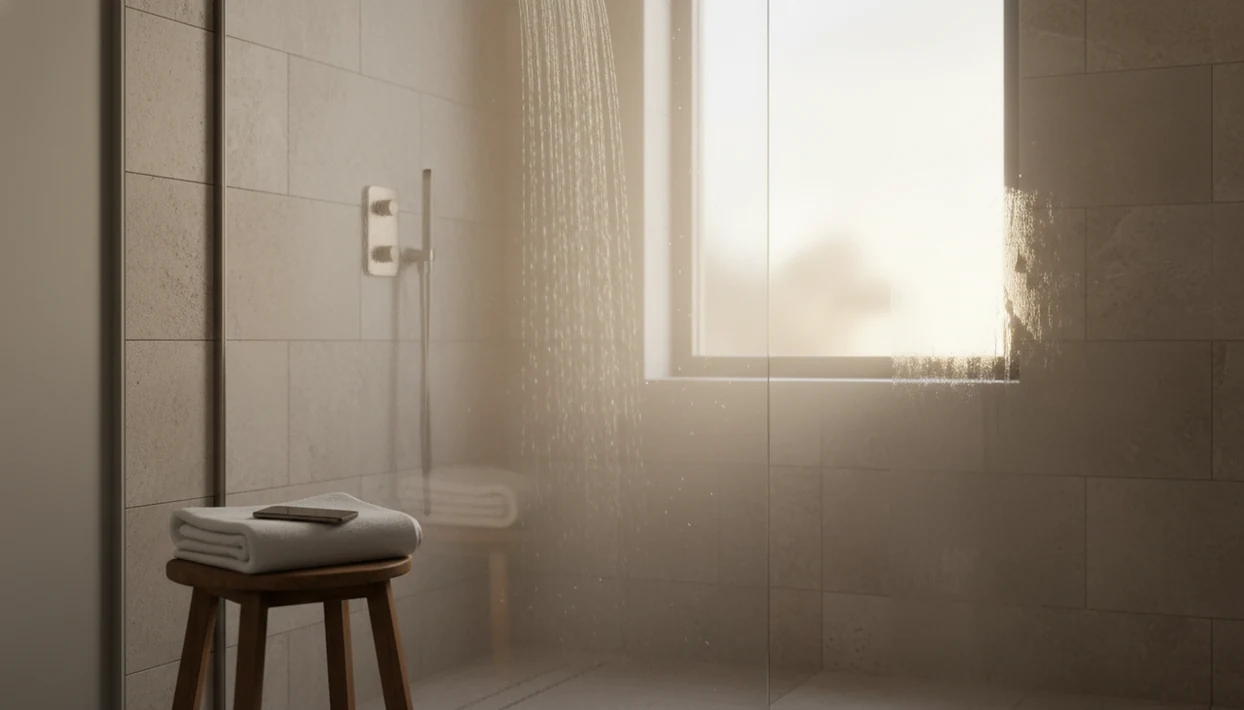


A mindful shower exercise is a short sensory meditation during an ordinary shower: notice the water, sound, temperature, scent, and touch, then gently return when attention wanders. It means paying attention to present sensations, not forcing calm or stopping thoughts. A morning shower can provide a repeatable cue before screens or email, without adding time or using more water.
Options include a sensory reset, gentle breath awareness, a grounding body scan, a gratitude rinse, or a guided practice afterward. MindTastik offers adult wellness audio, including meditation, sleep support, breathing practices, and self-hypnosis. A 5 to 10 minute guided session can follow the shower, but neither practice treats anxiety or trauma. The purpose is a familiar attention cue, not an instant reset.
The essentials
- Mindfulness in the shower means paying attention to real-time sensations without trying to force calm or stop thoughts.
- Useful mindful shower formats include a sensory reset, a breathing-focused shower meditation, a grounding body scan, a gratitude rinse, and an app follow-up practice.
- A morning mindful shower is not a treatment for anxiety or trauma, but it can become a practical daily anchor for stress awareness and calm.
5 Mindful Shower Exercise Formats for Everyday Calm
The five useful mindful shower exercise formats are sensory reset, breath-and-water shower meditation, grounding body scan, gratitude rinse, and app follow-up meditation. These are not separate products; they are different ways to structure mindfulness in the shower.
- Sensory reset: Best for morning calm. Notice warm water, steam, soap scent, and the sound hitting the tile.
- Breath-and-water shower meditation: Best for focus. Match one inhale with water on the shoulders, then exhale slowly.
- Grounding body scan: Best for anxiety grounding. Feel both feet on the floor, then scan jaw, chest, belly, and legs.
- Gratitude rinse: Best for self-kindness. Pair each rinse with one ordinary appreciation, without forcing cheerfulness.
- App follow-up meditation: Best for extending the habit. After drying off, choose a short guided session.
When a rushed morning is the issue, an app follow-up can fit because a shower cue can lead straight into a 5-minute everyday calm session instead of a lock-screen spiral.
For more low-friction options, our mindfulness exercises list compares short practices that fit into normal routines.
Before You Try a Mindful Shower Exercise
Before you try a mindful shower exercise, make the bathroom feel safe, ordinary, and practical. The practice should change where your attention goes, not how long you run the water or how much risk you take.
- Keep the shower within your normal length so mindfulness does not become a reason to waste water, run late, or avoid the day.
- Place your feet securely before any eyes-closed moment. Use a nonslip mat if you have one, or keep your gaze soft and steady if the floor feels slick.
- Choose eyes-open anchors when balance, panic, trauma history, or body-based sensations feel uncertain. Steam on glass, water lines, tile color, or the sound of the shower can work just as well.
- Set the phone aside before you step in. Protect the cue from notifications, scrolling, and checking the time every few seconds.
- Skip the practice if the bathroom feels unsafe, activating, or too exposed. A seated breath, a hand on a towel, or feet on the bedroom floor can be the better anchor that day.
Safety is part of the exercise, not a separate concern.
Brain and Body Mechanisms Behind Mindful Showering
Mindful showering works by training attention: you choose an anchor, notice distraction, and return without judgment. The evidence is based on broader mindfulness research, not direct clinical trials on mindful shower exercises.
How mindful showering works: Shower sensations create strong anchors because they are immediate and physical. Temperature, water pressure, sound, scent, and arm movement give the mind something concrete to return to when planning thoughts take over.
The mechanism is simple attention regulation. In plain language, you practice catching the moment when your mind leaves the shower and starts rehearsing email, conflict, or the day’s calendar. Then you come back to water on skin.
A 2014 JAMA Internal Medicine systematic review found moderate evidence that mindfulness meditation programs can improve anxiety, depression, and pain compared with controls (JAMA Internal Medicine study: 1809754). A 2015 meta-analysis of mindfulness-based stress reduction in healthy people also reported stress and distress reductions (journals reference: article). Neither source proves that shower meditation itself causes those effects, but both support the attention-training mechanism behind the practice.
Mindful showering can support reduced rumination, better stress awareness, and nervous system settling. It should still stay humble. A mindful check-in exercise can help you notice thoughts, emotions, and body sensations before choosing your next action.
What brief-practice research actually measured
A meta-analysis of 65 randomized trials of brief mindfulness included 5,489 participants and found a small reduction in negative affectivity, a measure of unpleasant emotional states, compared with control programmes. The interventions lasted up to two weeks, and most participants had no previous meditation experience. That supports modest expectations for brief practice, but it does not establish a benefit from one shower or identify an ideal shower length.
The distinction matters when anxiety treatment enters the discussion. In a trial involving 276 adults with anxiety disorders, eight weeks of Mindfulness-Based Stress Reduction was comparable with escitalopram on anxiety outcomes. That result concerns a clinician-led formal programme, not an informal shower exercise. A sensory cue in the bathroom can be supportive without carrying the treatment claims of a structured clinical course.
5 Steps for a Mindful Shower Exercise
Use this mindful shower exercise as a five-step routine during your next normal shower. Keep the water use the same; the change is attention, not duration.
- Set an intention before turning on the water, such as “I’ll notice one breath and one sensation at a time.”
- Feel the temperature as the water first reaches your hands, shoulders, or back.
- Listen and smell by noticing the water sound, soap scent, shampoo texture, and steam in the air.
- Return attention when thoughts appear, saying quietly, “thinking,” then coming back to touch or sound.
- End with one slow breath before leaving the shower, then step out with both feet placed carefully.
Anyone dealing with scattered attention after waking can follow step five with a short guided session because it continues the same attention rhythm.
The shower door opens. The day has not started yet.
Common Mistakes During Shower Meditation
The most common shower meditation mistakes happen when you try to make the practice perform: no thoughts, instant calm, deeper breathing, longer showers. Adjust the routine so it stays safe, brief, and kind.
- Notice thoughts instead of trying to block them. A wandering mind is not failure; label “thinking” and return to water, sound, or feet.
- Keep the shower within its normal length. If the practice becomes a way to delay work, conflict, or hard feelings, shorten it and add support outside the bathroom.
- Soften the breath when anxiety is high. Forcing long exhales or strict counts can feel like pressure; let the breath be natural while you notice one steady sensation.
- Open your eyes if balance feels uncertain. Use tile, steam, water lines, or your hands as anchors rather than risking a slip.
- Let calm arrive slowly, or not at all. The win is returning attention once, not manufacturing a peaceful mood before breakfast. For a brief reset outside the shower, try a mindful pause exercise with one breath and one sensation.
A mindful shower is still a shower. Simple is usually safer than intense.
Morning Mindful Shower Routine for Anxiety and Focus
How do you use a morning mindful shower for anxiety and focus? Treat it as a transition ritual before the day begins, not a productivity hack or a way to force yourself into a better mood.
Try it before phone checks, email, news, or social media. That order matters. Once the feed starts, attention usually scatters fast. Before opening your phone, try the STOP mindfulness exercise to pause, take a breath, observe, and proceed intentionally.
Use a simple cue: inhale as warm water reaches the shoulders, then exhale as if shoulder tension can soften downward. If thoughts about meetings, money, or family tasks arrive, label them “planning” and return to the water.
If morning anxiety feels intense, a guided session can come right after the shower because 5-10 minutes of audio for anxiety, focus, or everyday calm gives the body one more steady signal before the workday begins. Some users describe the need as wanting a calm voice to follow when the mind feels crowded. That is a reasonable starting point.
The most useful morning mindful shower is often the one done before screens because attention is easier to steady before outside demands arrive.
Sensory Awareness Mindful Shower Exercise for Beginners
Sensory awareness is the simplest mindful shower exercise for beginners because it gives the mind clear objects to notice. You do not need a cushion, timer, incense, or special breathing count.
- Sound: Hear the water hitting the wall, curtain, floor, or glass.
- Touch: Feel water pressure on the scalp, shoulders, hands, or feet.
- Scent: Notice soap, shampoo, conditioner, or clean towel smell.
- Sight: Watch steam, droplets, light on tile, or shifting water lines.
- Temperature: Track warmth, cool air, and the body’s response.
The goal is awareness, not a longer or hotter shower. A beginner script can be very short: “I feel warm water. I hear the shower. I smell soap. My mind wandered. I come back.”
For beginners who need a next step, MindTastik works well because MindTastik’s Best Meditation App for Sleep library also includes short guided sessions for everyday calm and breathing, not only bedtime audio.
Tiny counts.
Shower Meditation Anchors for Grounding Anxious Thoughts
Can shower meditation help ground anxious thoughts? It may help you notice anxious thoughts as mental events instead of fighting them, but it should not be treated as anxiety treatment.
Use three anchors. First, feel water pressure where it is strongest, such as the upper back or hands. Second, notice both feet pressing into the shower floor. Third, feel hand contact with soap, shampoo, or the faucet handle.
Anxious thoughts often demand an answer right now. During a shower meditation, the practice is softer: “A worry is here. Pressure is here too.” That small shift can reduce the need to argue with every thought.
Mindfulness-based interventions show moderate anxiety reductions in broader research, and smartphone mindfulness programs show small-to-moderate improvements in anxiety, depression, and stress symptoms in meta-analytic research. Those findings support regular practice, not instant relief.
On days your chest feels tight before a video call, a breathing exercise can cover the follow-up step because you can choose a breathing exercise rather than trying to solve anxiety under running water.
For related support routines, mental health exercises can give you options outside the bathroom.
Gratitude Cues for Mindfulness in the Shower
Gratitude can be part of mindfulness in the shower when it stays ordinary and honest. It should not become forced positivity, especially when the morning already feels heavy.
Try one cue for water: “I notice clean water touching my skin.” Try one cue for the body: “This body got me to the shower today.” Try one cue for the day ahead: “One thing I can meet slowly is breakfast, the commute, or the first message.” You can bring the same attention to breakfast with a mindful eating exercise, noticing taste, texture, and pace.
If you feel rushed or low, use self-kindness instead of performance language. “This is hard, and I can still take one steady breath” is enough. You are not trying to become grateful on command.
For people who need everyday calm more than big emotional breakthroughs, this version is practical. It turns a routine action into a small pause. Our guide to mindful gratitude expands that idea beyond the shower.
MindTastik App Follow-Up After a Morning Shower
The end of the shower is a strong habit cue because it already has a fixed sequence: water off, towel, dress, next action. Adding 5-10 minutes of app-based meditation after drying off can extend the calm before the phone takes over.
A randomized trial of a brief mindfulness smartphone app reported improvements in stress, affect, and irritability after short daily use (PubMed research: 30294494). A meta-analysis of mindfulness meditation apps found small-to-moderate benefits for well-being and mental-health-related outcomes, while noting that app quality and study design vary (PubMed research: 33647746).
| After-shower need | Useful follow-up | Example fit |
|---|---|---|
| Morning anxiety | 5-minute breathing exercise | MindTastik breathing exercises |
| Focus before work | 10-minute guided session | MindTastik guided meditation |
| Bedtime shower | Sleep wind-down audio | MindTastik sleep audio |
| Habit support | Calm suggestion or self-hypnosis | MindTastik self-hypnosis sessions |
For people who need a repeatable cue, the app earns its place because the shower can become the trigger and the app session becomes the named workflow.
MindTastik’s Best Meditation App for Sleep library matters most at night, but a morning shower follow-up works better when the session is short enough to repeat.
Selection Criteria for Mindful Shower Exercise Variations
A useful mindful shower exercise depends on your goal: calm, grounding, focus, gratitude, or continuation into an app session. Our selection favors practices that are short, safe, beginner-friendly, secular, and easy to repeat daily.
We prioritized sensory anchors, gentle breathing, and habit pairing over complicated rituals. A shower is already full of usable cues. Adding too many instructions can make it feel like another task.
Water use and time limits also matter. A mindful shower should fit inside your normal shower length, not turn into a 25-minute escape. That is especially important in shared homes, busy mornings, or places where water costs are high.
For someone choosing between a 5-minute breathing exercise and a 20-minute body scan after drying off, MindTastik is most useful when the shorter session protects consistency. Calm.com, Headspace, and mindful.org also offer mindfulness education, but the right choice depends on which routine you will actually repeat.
Practical Cons of a Mindful Shower Exercise
A mindful shower exercise can be too brief for people who need deeper support. It is a useful daily anchor, but it cannot carry every emotional load.
Shared bathrooms make consistency harder. So do children knocking, roommates waiting, cold apartments, early shifts, and the plain fact that some mornings are messy. A person may intend to breathe slowly, then spend the whole shower mentally packing lunch.
Sensory focus can also feel uncomfortable. Water on the face, body awareness, nudity, mirrors, or bathroom sounds may be activating for some people. In that case, choose a different anchor, such as feet on a bedroom rug or a seated breathing practice.
Long hot showers can become avoidance, overuse, or a substitute for care. If you are using the shower to hide from panic, conflict, depression, or unsafe feelings, that is a sign to add support.
For a quick alternative, one minute mindfulness exercises can work without water, privacy, or a full routine.
A guided practice after drying off
MindTastik’s guided meditation library offers a separate practice after the shower for adults who prefer spoken instructions to a silent sensory exercise. Breathing, gratitude, or focus sessions can match the morning’s needs without making the shower itself more complicated.
A silent shower may suit people who want less input or have no extra time. If body awareness brings panic or trauma-related distress, a guided session is not a substitute for professional support. MindTastik is not a medical treatment.
What shower mindfulness cannot treat or promise
Mindful showering has real limits, and naming them makes the practice safer. Use it as supportive practice, not a medical plan.
- No direct shower-specific trials: There is no direct clinical research specifically on mindful shower exercises.
- Benefits are inferred: Any likely benefit comes from broader mindfulness research and brief app-based mindfulness studies.
- Not standalone treatment: It is not a standalone treatment for severe anxiety, depression, PTSD, panic, or crisis symptoms.
- Trauma triggers can appear: Bathrooms, nudity, water, mirrors, bodily sensations, or closed doors may feel unsafe for some people.
- Water limits matter: Environmental impact, utility costs, drought restrictions, and shared household schedules should shape shower length.
- Avoid distressing anchors: If the shower feels unsafe or overwhelming, choose another mindfulness anchor.
- Apps are optional: MindTastik can extend the habit, but it does not replace therapy, medication, emergency care, or guidance from a qualified professional.
If you notice strong emotions after the shower, emotional awareness exercises may help you name what came up.
Choose safety first. Always.
Shower mindfulness versus seated morning meditation
A mindful shower tends to work differently from a seated morning meditation because the anchor is already happening: water, sound, steam, scent, and touch are all available without setup. The tradeoff is that a shower can also invite autopilot, so the strongest version is usually the simplest one: choose one sensory anchor, pair it with a steady breath, and return to it whenever planning starts.
Mindful shower questions
How do I do a mindful shower exercise?
Choose one sensation, such as water on the shoulders or the sound of droplets hitting the floor. Notice it while washing normally. When attention shifts to plans or worries, acknowledge the thought and return to that sensation. Keep the shower’s usual length and temperature; extra water or elaborate instructions are unnecessary.
How long should a mindful shower take?
Keep it within the length of an ordinary shower. Mindfulness changes the focus of attention, not the amount of time spent under running water. A short stretch of noticing sound or touch is enough to practise returning attention. There is no established shower-specific duration that guarantees calm or other benefits.
Should I close my eyes during shower meditation?
Closing the eyes is not required. An eyes-open practice can use droplets, tile colour, or water lines as its focus. Keep the feet secure and pay attention to balance, especially on a slick floor. If closing the eyes feels unsettling or makes standing less steady, leave them open.
Can mindful showering help with anxiety?
It may provide a concrete focus when anxious thoughts are taking over, such as water pressure or contact between the feet and floor. However, evidence comes from broader mindfulness research, not direct shower-specific trials. It is a supportive practice, not a treatment for an anxiety disorder, panic, or trauma-related symptoms.
What should I do if my mind keeps wandering in the shower?
Notice the distraction, briefly label it as thinking or planning, and return to one sensation. Repeated wandering does not mean the exercise has failed; returning attention is the practice. If several sensory cues feel confusing, use only one, such as the sound of water, rather than trying to track everything.
Do I need to count breaths during a mindful shower?
No. Water sounds, soap texture, and temperature can all serve as attention cues without breath counting. If breathing is the chosen focus, let it remain gentle and natural. Strict counts or forced long exhales can feel pressuring when anxiety is high, so switching to an external sound or sight is an option.
What if shower mindfulness makes me feel panicky or disconnected?
Stop the exercise rather than pushing through. Keep the eyes open and shift attention to an external detail, such as tile colour or a familiar bathroom object. A practice outside the bathroom may be more suitable. Marked distress, panic, dissociation, or worsening symptoms are reasons to seek professional guidance.
Is a mindful shower the same as seated meditation?
Both involve noticing where attention goes and returning to a chosen focus. A mindful shower is informal practice within an everyday activity; seated meditation sets aside time specifically for practice. Showering offers immediate sensory cues, while a seated session provides a separate setting without washing tasks or the need to maintain balance.