
Mindfulness Exercises for Anxious Moments
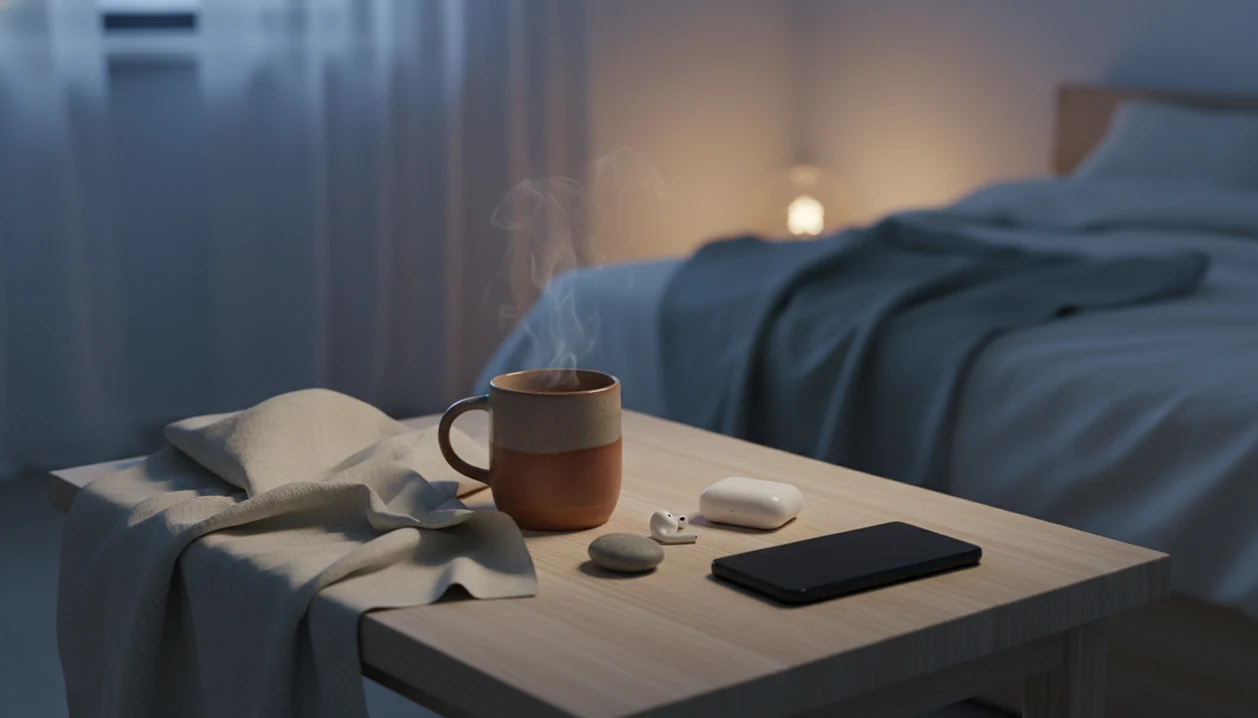


Mindfulness exercises for anxiety are short practices that use the breath, body, movement, or senses to bring attention back to the present when worry spikes. They can help take the edge off everyday anxious moments, but they do not erase anxiety on command. A practice lasting 30 seconds to five minutes can give attention a concrete task when worry is manageable but distracting.
This guide covers brief self-help practices, not treatment for severe anxiety, panic, trauma symptoms, or a crisis. Breathing, sensory grounding, body scans, and mindful walking offer different ways to pause. Guided audio can make instructions easier to follow, but worsening distress is a reason to stop. Persistent symptoms or safety concerns call for professional support, not a longer meditation.
The essentials
- Use 30-second to 5-minute practices such as breathing, grounding, body scans, or mindful walking when anxiety feels manageable but distracting.
- Mindfulness supports anxiety by helping you notice thoughts and body sensations without fighting them, which can reduce stress over time with regular practice.
- Choose gentle app-guided audio if you feel overwhelmed, and seek professional or emergency help if anxiety is severe, persistent, trauma-linked, or unsafe.
Quick answer: mindfulness exercises for anxious moments
Quick answer: mindfulness exercises for anxious moments are brief present-moment practices that redirect attention to breathing, body sensations, movement, or the senses. They do not erase anxiety on command, but they can lower the volume enough to help you choose the next step.
Use them when worry is distracting but still manageable: before a difficult conversation, on public transit, at your desk, or during a quiet pause under dim light. A 30-second breath count can be more realistic than a long silent session.
For everyday anxiety, short mindfulness is often easier than “thinking your way out” because it gives the mind a concrete anchor. If anxiety feels dangerous, severe, trauma-linked, or unmanageable, treat mindfulness as support only and contact a qualified professional or emergency service.
If you may hurt yourself or someone else, or you feel in immediate danger, use local emergency services now. In the U.S., call or text 988 for the Suicide & Crisis Lifeline.
How mindfulness for anxious moments works in the nervous system
Mindfulness for anxious moments works by training awareness without judgment: you notice worry, body tension, and emotion without immediately arguing with them. That pause can shift attention from racing thoughts to breath, feet, sound, or visual details.
The nervous system piece is simple. Anxiety often pulls attention into threat scanning. Mindfulness gives the brain a repeatable cue: “come back to what is happening right now.” Over time, this can strengthen response flexibility, which means you may notice the urge to react before you act on it.
A hallway wall can become an anchor.
Anxiety is common, not a personal failure. The National Institute of Mental Health reports that about 19.1% of U.S. adults had an anxiety disorder in the past year, and 31.1% experience one at some point in life nimh reference: any anxiety disorder. A JAMA Internal Medicine meta-analysis found mindfulness-based interventions produced moderate anxiety symptom reduction across clinical and nonclinical groups JAMA Internal Medicine study: 1188033.
What research supports, and what a brief reset cannot promise
A systematic review of 110 studies involving 8,105 participants found a small, statistically significant effect of mindfulness-based strategies on emotional reactivity and the use of emotion-regulation strategies. Results varied substantially across studies. This supports a modest role for mindfulness in noticing emotions and responding less automatically, rather than a promise that a brief exercise will quickly stop anxiety.
A 2020 review of 12 systematic reviews found a moderate effect of mindfulness-based interventions on anxiety symptoms, but study quality and intervention formats varied. Those findings concern interventions, not proof that any individual 30-second exercise treats an anxiety disorder. A useful distinction is immediate coping versus ongoing care: a short practice can provide a pause, while persistent anxiety still warrants assessment and an appropriate treatment plan.
Five mindfulness anxiety support facts to know first
- Mindfulness means noticing without judging. During anxiety, that may sound like, “tight chest, fast thoughts, worried feeling,” instead of “I can’t handle this.”
- Short practice still counts. A 30-second reset before opening an email can be useful, even if it is not deeply relaxing. For a gentle start, try a free morning meditation that gives your attention a simple focus before daily demands begin.
- Fast tools are usually simple. Breath counting, five-senses grounding, body scans, and mindful walking need no equipment.
- Regular practice matters. Mindfulness usually works best when practiced during neutral moments, while emergency-only use fits people who need a quick interrupt but may feel less reliable. A 7 day mindfulness challenge can provide a simple structure for practicing during calmer moments throughout the week.
- Guidance can reduce friction. If you freeze when anxious, app audio can carry the steps for you.
For a wider menu of beginner-friendly options, our mindfulness exercises page lays out practices by length and purpose. Mindfulness can support anxiety, but it does not replace therapy, medication, or crisis care when those are needed.
Five mindfulness exercises for anxious moments by situation
Choose the exercise that fits the situation, not the one that sounds most impressive. In a conference room chair between meetings, a quiet breath count beats a 20-minute body scan you will not finish.
| Exercise | Best for | Not for |
|---|---|---|
| 30-second breath counting | Meetings, public places, waiting rooms | People who feel panicky when focusing on breath |
| 5-4-3-2-1 sensory grounding | Panic-like worry spikes, spiraling thoughts | Unsafe settings where you need direct help |
| Hand-on-heart bedtime breathing | Bedtime worry and gentle wind-down | Anyone who dislikes inward body focus |
| Three-minute body scan | Tension awareness in jaw, shoulders, stomach | Trauma-linked distress or dissociation |
| Mindful walking reset | Restless stress, agitation, between tasks | Places where walking is unsafe |
30-second breath counting
Inhale naturally, exhale naturally, and count one. Continue to five, then restart.
5-4-3-2-1 sensory grounding
Name five things you see, four you feel, three you hear, two you smell, and one you taste.
Hand-on-heart bedtime breathing
Place one hand on your chest and follow three slow breaths without forcing them.
Three-minute body scan
Move attention from forehead to feet, naming tension without trying to fix it.
Mindful walking reset
Walk slowly and notice heel, sole, toes, then the next step.
Five steps for using mindfulness during stress in real time
Use mindfulness during stress by making the practice small, physical, and easy to repeat. The goal is not to win an argument with anxiety; the goal is to interrupt the spiral long enough to choose.
- Set your body in a safe position. Sit, stand, or lean where you are stable and not blocking anyone.
- Choose one anchor. Use breath, feet, hands, sound, or one visual detail.
- Name the feeling. Say, “anxiety is here,” or “worry is loud,” without debating it.
- Return gently. When the mind wanders, bring it back once. Then do it again.
- Review your next step. Rate intensity from 1 to 10 and decide whether to continue, text someone, leave, rest, or seek help.
The pocket check is real.
1. Set your body in a safe position
Plant your feet, sit back, or lean somewhere steady before you begin.
2. Choose one anchor
Pick one thing to follow, not five at once.
3. Name the feeling
Use plain words: anxious, tense, scared, rushed, overwhelmed.
4. Return gently
Expect distraction and come back without scolding yourself.
5. Review your next step
If anxiety stays high or rises, switch support instead of pushing harder.
App audio options for calming mindfulness exercise support
App-guided mindfulness can help when anxiety makes instructions hard to remember. Pressing play is sometimes easier than deciding between a 5-minute breathing exercise and a 20-minute body scan while your thoughts are already loud.
Useful options include:
- Timed breathing: A visual or spoken pace can keep the exercise simple.
- Bedtime tracks: Gentle audio can support a wind-down routine when earbuds are on the nightstand, one side tangled around the charging cable.
- Daily check-ins: A quick mood or stress note can help you spot patterns.
- Short calm sessions: A 1- to 5-minute track can fit between work calls or before a commute.
Tools like MindTastik, Calm, and Headspace can provide guided meditation, sleep audio, breathing exercises, and self-hypnosis support, but they do not diagnose or replace care. A randomized trial found 10 days of app-based mindfulness training reduced stress and irritability compared with a control condition NIH research: PMC5019420.
Mindfulness for anxious moments compared with other calming tools
Mindfulness fits best as one calming tool among several. It can complement therapy, medication, sleep routines, breathing practice, and crisis support, but the right tool depends on intensity, risk, and how long symptoms have been interfering.
| Tool | Best use | Limitation |
|---|---|---|
| Mindfulness | Noticing thoughts and sensations without reacting immediately | May feel hard during severe panic |
| Breathing-only exercise | Quick body-based calming | Breath focus can feel uncomfortable for some people |
| Simple distraction | Short relief from rumination | May avoid the feeling rather than process it |
| Journaling | Sorting repeated worries after the spike | Too slow during intense anxiety |
| Therapy | Persistent, impairing, or trauma-linked anxiety | Requires access, time, and fit |
| Medication | Clinician-guided treatment for anxiety disorders | Needs medical oversight |
| Crisis support | Danger, suicidal thoughts, or unsafe situations | Not a daily coping substitute |
A randomized clinical trial in JAMA Psychiatry found that 8 weeks of mindfulness-based stress reduction was noninferior to escitalopram for adults with anxiety disorders JAMA Internal Medicine study: 2798510. That finding applies to a structured program, not a casual app session. For broader stress routines, mental health exercises can sit beside mindfulness practice.
Common mistakes with mindfulness anxiety support
“Am I doing mindfulness wrong if I still feel anxious?” No. Mindfulness is not supposed to instantly delete anxiety; it helps you notice what is happening and return to a steadier anchor.
Mind wandering is expected. Returning is the practice. If you start a session and pause the screen after a restless minute, that does not mean you failed. It means the practice needs to be smaller.
Avoid beginning with long silent sessions when anxiety is high. Try 30 seconds, one minute, or guided audio first. Practice during ordinary moments too, such as after brushing teeth or before opening a laptop, so the skill is familiar before a spike. If mornings suit your schedule, explore morning meditation approaches that help you build a realistic routine.
Inward focus is not right for everyone. People with trauma histories, dissociation, dizziness, or panic sensations may do better with external grounding, such as naming colors in the room. Emotional awareness exercises can also help you label feelings without forcing body focus.
When to get professional help for anxiety
Get professional help for anxiety when it is severe, keeps coming back, interferes with work, sleep, school, relationships, or daily tasks, or feels connected to trauma. Also reach out if symptoms are worsening, spreading into more situations, or making your usual coping tools feel impossible.
Mindfulness should stop, at least for the moment, if it makes panic, dizziness, dissociation, flashbacks, urges to self-harm, or a trapped feeling stronger. Switch to external grounding, move to a safer place if you can, and use human support instead of pushing through.
- Pause the exercise when anxiety intensifies or your body feels unsafe.
- Contact a licensed professional such as a therapist, physician, psychiatrist, or qualified clinic for assessment and treatment planning.
- Ask directly about therapy, medication, or combined care rather than starting, stopping, or changing medication on your own.
- Use urgent support if you may hurt yourself or someone else, cannot stay safe, feel in immediate danger, or have chest pain, fainting, severe shortness of breath, confusion, or other emergency symptoms.
- Call local emergency services or a crisis line such as 988 in the U.S., or use trusted resources like NIMH and local mental health services to find care.
Guided audio when choosing an exercise feels difficult
MindTastik’s guided meditations and breathing exercises offer spoken instructions for anxious moments when remembering a sequence feels difficult. Breath-focused sessions suit people who find breathing a comfortable anchor. A guided meditation is another option, provided its instructions feel manageable.
People who become more panicky with breath or body awareness may be better served by eyes-open sensory grounding rather than inward-focused audio. Severe, persistent, or trauma-linked symptoms need professional assessment. MindTastik is not a medical treatment.
When mindfulness can worsen anxiety or delay needed care
Mindfulness is useful for many everyday anxious moments, but the boundary matters. Stop, switch tools, or seek help if the exercise increases distress.
- Mindfulness exercises are not crisis tools for suicidal thoughts, immediate danger, severe panic, or medical emergencies.
- Some people with trauma, dissociation, or severe anxiety may feel worse when attention turns inward.
- Self-guided app practices have less long-term clinical evidence than structured programs such as mindfulness-based stress reduction.
- Mindfulness should not be marketed as a cure-all for anxiety.
- Professional care may be needed when anxiety is severe, persistent, impairing, trauma-linked, or affecting work, sleep, relationships, or safety.
- Breath-focused practices may feel uncomfortable if you become dizzy, air-hungry, or more panicky while noticing breathing.
- External grounding may be safer than body scanning when sensations feel overwhelming.
Clinicians typically recommend matching support to severity, which can include therapy, medication, skills training, lifestyle changes, or crisis care. If you want gentler daily practices after the intense moment passes, one minute mindfulness exercises can be a safer starting point than long silent practice.
Questions about mindfulness for anxiety
Can mindfulness stop anxiety immediately?
Mindfulness does not reliably stop anxiety on command. A brief practice may shift attention away from spiraling thoughts and create enough space to choose a next step. Feeling some anxiety afterward does not mean the exercise failed. The aim is a manageable pause, not complete calm.
What is a quick mindfulness exercise for anxiety at work?
A 30-second breath count can fit between meetings if breath awareness feels comfortable. Another option is to notice the feet against the floor and name visible details in the room. Keep the task small and discreet. If focusing on breathing increases panic, use an external sensory anchor instead.
Does 5-4-3-2-1 grounding work for anxiety?
The exercise directs attention toward things seen, felt, heard, smelled, and tasted rather than distressing thoughts. It can be a practical coping option, but strong direct evidence for this exact sequence is limited. It should not be presented as a proven treatment for anxiety disorders or trauma.
Why does focusing on my breath make anxiety worse?
Inward attention can intensify panic, distress, or intrusive memories for some people, particularly those with trauma histories. Breath focus is not the right anchor for everyone. Keeping the eyes open, noticing the room, or moving gently may feel more manageable. Stop rather than push through escalating symptoms.
How long should I practice mindfulness when I feel anxious?
For manageable everyday worry, start with 30 seconds to five minutes rather than a long silent session. Shorten or stop the practice if distress increases. Practicing during ordinary, less anxious moments can make the instructions more familiar, so a worry spike is not the first time the exercise is attempted.
What mindfulness exercise can help with bedtime anxiety?
Gentle breathing or a brief body scan can offer a concrete focus during bedtime worry, provided inward attention feels comfortable. Guided audio may make the instructions easier to follow. If body awareness increases distress, choose an external anchor instead. Persistent anxiety that disrupts sleep deserves professional assessment.
When should I seek help instead of using mindfulness for anxiety?
Seek professional assessment when anxiety persists, worsens, or interferes with sleep, work, relationships, or daily tasks. Stop an exercise that increases panic, dissociation, or flashbacks. Suicidal thoughts, risk of harming someone, inability to remain safe, or an acute crisis require immediate professional help rather than another self-guided practice.