
Best Way to Fall Asleep and Beat Insomnia
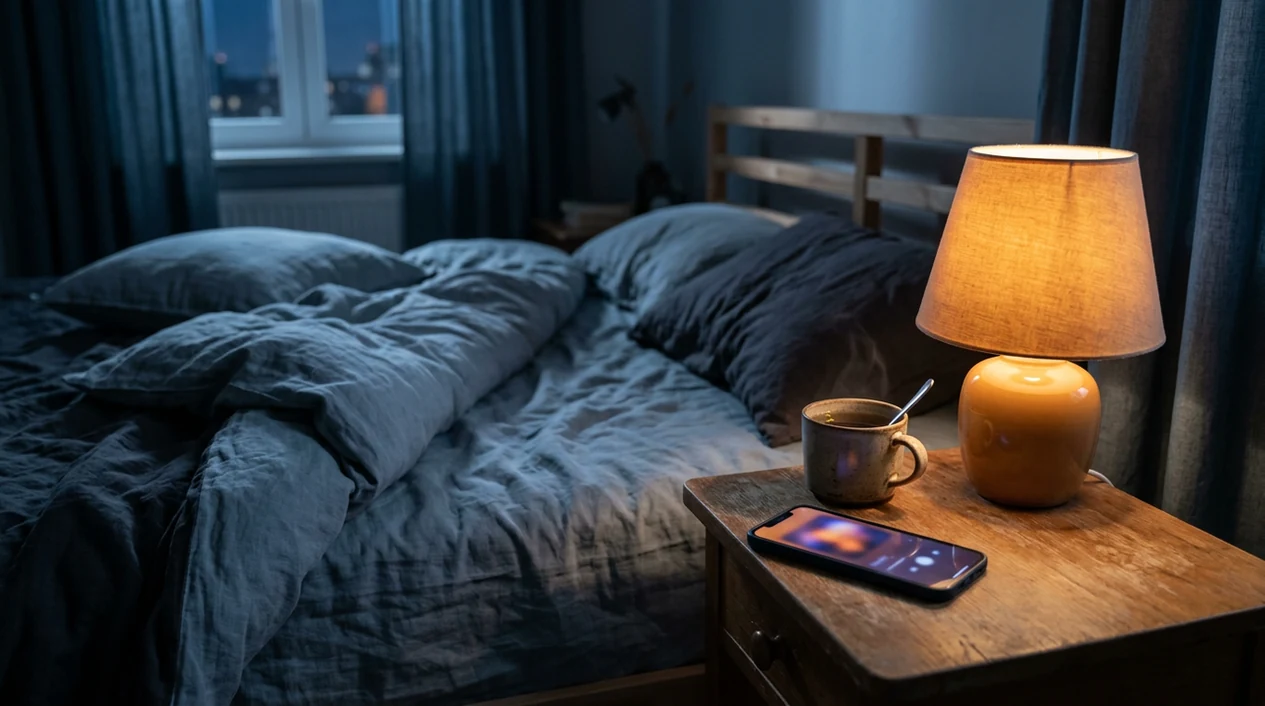


The best way to fall asleep is to keep a consistent wake time, follow a calm bedtime routine, and make the bedroom cool, dark, and quiet. Guided sleep meditation, body scans, and slow breathing can help settle racing thoughts, but they are supports rather than guaranteed cures. Reducing evening light and caffeine also belongs in the routine.
When insomnia lasts for months, occurs three or more nights a week, or affects daytime functioning, quick tricks are not enough. Professional assessment can identify contributing conditions, and ACP guidance recommends CBT-I as the initial treatment for chronic insomnia. MindTastik offers guided meditation, sleep audio, breathing exercises, and self-hypnosis for adults seeking relaxation alongside these habits.
The essentials
- Keep the same wake time daily, reduce evening light and caffeine, and use a repeatable wind-down routine.
- Guided sleep meditation, body scans, and slow breathing can help quiet racing thoughts and lower bedtime arousal.
- Seek medical or behavioral sleep support if insomnia lasts for months, happens three or more nights weekly, or causes daytime impairment.
How the top ways look
Side-by-side captures of the compared products. Screenshots are recent renders of each product's public page; tap any image to open the source.
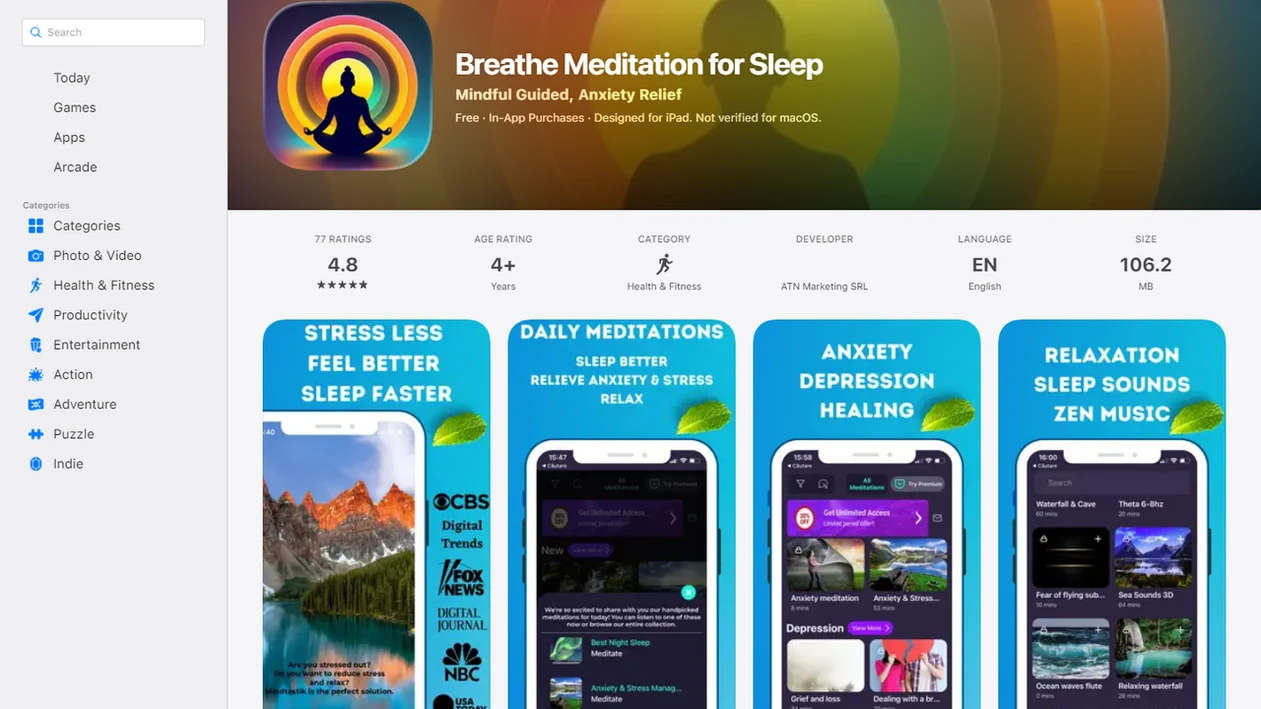
Best Way to Fall Asleep Beat Insomnia: At-a-Glance Sleep Plan
The practical plan is simple: keep a steady wake time, dim lights before bed, do something quiet, play guided relaxation, and leave bed briefly if you stay awake too long. This approach trains the body to expect sleep instead of treating bedtime like a nightly test.
Per the CDC, 35.2% of U.S. adults reported sleeping less than 7 hours per night CDC guidance: adults sleep facts and stats.html, and insomnia is common across adult life. That statistic feels more personal after midnight, with the pillow warm, the lamp low, and sleep still out of reach.
Tools like MindTastik can support this routine with guided sleep meditation and breathing audio, but they are not medical treatment or a replacement for therapy, CBT-I, or a clinician’s care. Good sleep apps deliver repeatable cues for sleep, anxiety support, and everyday calm, not a guaranteed off-switch for the brain.
Image caption idea: phone playing a guided sleep meditation beside a dim lamp and cool bedroom.
Five Facts in a Best Way to Fall Asleep Beat Insomnia Guide
- A regular sleep and wake schedule helps reset the body clock, especially when the wake time stays steady on weekends.
- Mindfulness meditation and relaxation can improve sleep quality; a randomized trial meta-analysis found moderate sleep-quality improvements in adults with sleep disturbance JAMA Internal Medicine study: 2110998.
- A cool, dark, quiet bedroom supports faster sleep onset because the body gets fewer “stay alert” signals.
- Caffeine, alcohol, heavy meals, and blue light can worsen insomnia by raising arousal or delaying sleep timing.
- Chronic or impairing insomnia deserves evidence-based support such as CBT-I; around 10-30% of adults live with chronic insomnia, according to a 2018 clinical review NIH research: PMC6281870.
For people new to guided audio, sleep meditation for beginners is often easier than silent meditation because the voice gives attention somewhere specific to land. A cool room, a softened pillow, and a downloaded sleep story can be enough to begin.
How the Best Way to Fall Asleep Beat Insomnia Works in the Body
Falling asleep depends on circadian rhythm, sleep pressure, and learned bedtime signals. Circadian rhythm is the body clock, sleep pressure is the tiredness that builds during the day, and conditioned arousal is when the bed starts to feel like a place for thinking instead of sleeping.
Stress can keep the nervous system alert even when the body is tired. Racing thoughts, muscle tension, and repeated clock checking all send the same message: stay ready. That is why forcing sleep often backfires.
Body scans, breathing exercises, mindfulness, and sleep audio reduce arousal by giving attention a safe anchor. You follow the voice, the breath, or one body area at a time. The most common medically supported way to improve chronic insomnia is CBT-I combined with consistent sleep habits, not a single bedtime trick.
Routines work through repetition over weeks. Not force.
How to Use Guided Sleep Meditation to Fall Asleep
Use guided sleep meditation as one part of a low-stimulation wind-down routine, starting 30 to 60 minutes before bed. Turn the screen brightness down, switch notifications off, and choose the session before you are already irritated.
- Set a wake time and keep it steady, even after a rough night.
- Dim screens and lights 30 to 60 minutes before bed.
- Play a guided sleep meditation with the phone face down or across the room.
- Follow breathing or body scan cues without trying to “win” sleep.
- Reset if awake too long by leaving bed for a calm, low-light activity.
- Repeat for several weeks before judging the routine.
A guided session should make bedtime less busy, not more interactive. If you are choosing between a 5-minute breathing exercise and a 20-minute body scan, choose the one you will actually repeat. The 10 minute meditation before bed routine can be a manageable middle path.
Best Way to Fall Asleep Beat Insomnia When Your Brain Will Not Stop
What should you do when you want to sleep but your body will not let you? Move the problem-solving earlier, use a short mindfulness session before bed, and try a body scan once you are under the covers.
Racing thoughts before sleep
Arguing with thoughts usually keeps the brain engaged. Clock checking does the same thing, especially when each glance becomes a calculation about tomorrow. Ceiling shadows at 2 a.m. can make ordinary worries feel larger than they are.
A body scan gives the mind a task that is boring in a useful way. Notice the forehead, jaw, shoulders, ribs, legs, and feet. If you want a more detailed version, body scan meditation for sleep explains the sequence.
Worry practice before bedtime
Write a worry list earlier in the evening, not in bed. Add one next step beside each worry if there is one. Daytime anxiety-calming meditations also help because nighttime calm is easier when the nervous system has practiced downshifting before dark.
Best Way to Fall Asleep Beat Insomnia Bedroom and Evening Habit Checklist
A better sleep checklist changes the signals around bedtime: cooler air, lower light, less noise, comfortable bedding, and fewer reminders of unfinished tasks. Keep the bed linked with sleep rather than scrolling, working, or rehearsing tomorrow.
Cool room: Set a temperature that feels slightly cool once you are under covers. Low light: Dim lamps and avoid bright overhead light near bedtime. Quiet soundscape: Use steady, gentle sound if silence makes every small noise stand out. Comfortable bedding: Fix the scratchy sheet, lumpy pillow, or blanket that keeps waking you. Reduced clutter: Move work papers, laundry piles, and glowing devices away from the bed.
Cut off caffeine early enough that it is not active at bedtime. Avoid heavy late meals, limit alcohol, and reduce blue light. If you wake in the night, keep lights low, do a calm activity, and return to bed when sleepy.
For deeper night-waking habits, sleeping soundly through the night covers the middle-of-the-night pattern in more detail.
Guided Meditation vs Sleep Hacks for Insomnia
Sustainable insomnia routines work by lowering arousal and changing sleep habits over time. Viral tricks may feel appealing, but they rarely address schedule drift, conditioned arousal, caffeine timing, or anxiety loops. For context on popular rapid-sleep claims, the Navy SEAL sleep method guide offers another approach to compare with sustainable habits.
| Option | What it can do | Main limitation |
|---|---|---|
| Guided meditation | Gives attention a calm bedtime anchor | Needs repetition |
| Breathing exercise | Slows the pace of the wind-down | May not be enough alone |
| Viral quick trick | Offers a simple experiment | Often overpromises |
| Alcohol | May cause drowsiness | Fragments sleep and reduces restorative quality |
| Sleep medication | Can help some people short term | Needs clinician guidance |
| CBT-I | Targets chronic insomnia patterns | Requires structured practice |
A sleep meta-analysis found CBT-I was associated with an average 19-minute reduction in sleep onset latency and a 26-minute reduction in wake after sleep onset academic reference: 2416913. Clinicians typically recommend CBT-I for chronic insomnia because it addresses the behaviors and thought patterns that keep insomnia going.
A guided meditation app can fit beside behavioral sleep habits and professional care as a supportive practice. It can also help you compare audio styles, including the sleep stories vs guided meditation choice.
What sleep-app research does and does not show
Sleep-app results cannot all be attributed to meditation. A 2024 review of mobile sleep interventions found that much of the evidence concerned CBT-based or multicomponent programs, with only a small portion evaluating mindfulness meditation specifically. This matters when comparing an app with CBT-I: relaxation audio and a structured insomnia treatment are different interventions, even when both are delivered through a phone.
The evidence for digital mindfulness is promising but uncertain. A 2025 review of 18 randomized trials found improved sleep outcomes, but rated the overall certainty of evidence as very low. Studies differed in their methods and relied heavily on self-report. Feeling that sleep is better is a useful outcome, but it does not necessarily mean objectively longer sleep or establish that meditation can replace chronic insomnia treatment. For a related perspective on perceived rest and daytime performance, explore placebo sleep and cognition alongside these evidence limitations.
Choosing audio for racing thoughts at bedtime
MindTastik's guided meditation library suits a wind-down routine that needs simple spoken cues rather than open-ended silence. A body scan gives attention a concrete task when muscle tension or repeated planning keeps bedtime busy. Sleep stories offer another option for people who prefer narration.
Adults with persistent insomnia or daytime impairment should choose clinical assessment and CBT-I rather than rely on relaxation audio alone. MindTastik is not a medical treatment, and a session need not be continued if it increases distress or alertness.
When bedtime habits and meditation are not enough
Self-help sleep routines can be useful, but they do not cover every cause of insomnia. Some sleep problems need a clinician, a sleep specialist, or mental health support.
- Meditation and breathing exercises are not guaranteed cures for severe or medically complicated insomnia.
- Sleep apps cannot diagnose or treat sleep apnea, depression, bipolar disorder, trauma, medication side effects, or other medical causes.
- CBT-I and mindfulness require consistent practice over weeks, not one unusually motivated night.
- Melatonin and other supplements should be discussed with a clinician, especially with long-term use or other medications.
- No routine can fully offset night shifts, heavy evening caffeine, alcohol, constant late-night screen use, or untreated pain.
- Professional help is important when insomnia lasts months, occurs at least three nights weekly, causes daytime problems, or creates safety risks.
- If you feel unsafe, severely distressed, or unable to function, seek urgent support rather than trying another audio session.
A supportive app can make the routine easier. It cannot replace care.
Before Bed
- If a routine depends on perfect conditions, it may collapse on ordinary nights; build a version that works with one dim lamp and a tired brain. For more ideas on rebuilding a manageable bedtime routine, browse the sleep reset articles and choose habits you can repeat.
- If the chosen meditation feels like homework, it is probably too ambitious for bedtime; sleep routines should reduce decisions, not create them.
- If you keep checking whether you are asleep yet, switch to a low-pressure anchor such as counting slow exhales or following a familiar sleep story.
- If lying still makes you more alert, a brief reset outside the bed may be more useful than wrestling with the pillow for another hour. If you prefer a structured relaxation exercise, consider the Navy SEAL 2-minute sleep technique without expecting guaranteed results.
- If insomnia is frequent, long-lasting, or affecting daytime life, self-help habits should sit alongside professional support rather than replace it.
When story-style audio fits your routine better than active meditation, browse MindTastik sleep stories for calm bedtime listening.
Falling asleep and insomnia questions
What is the best way to fall asleep when my mind is racing?
Move planning and problem-solving earlier in the evening, then use a simple body scan or familiar guided relaxation at bedtime. Focus on physical cues rather than arguing with each thought. Repeated clock checking can keep attention on the problem. The goal is less arousal, not forcing sleep on a deadline.
Should I stay in bed if I cannot fall asleep?
If lying awake becomes frustrating or makes the bed feel like a place for worrying, leave it briefly for a quiet activity in low light. This is different from starting work or scrolling. Keeping the bed associated with sleep is part of stimulus control, one of the behavioral methods used in CBT-I.
Does sleep meditation actually help insomnia?
Mindfulness meditation can improve sleep quality for some adults, but results vary and the evidence is less consistent than for CBT-I. It may be useful for bedtime tension and racing thoughts. Research on digital mindfulness often relies on reported sleep quality, so improvement does not necessarily mean objectively longer sleep.
Should I keep the same wake time after a bad night's sleep?
A steady wake time is a useful anchor for the body clock, including after a rough night and on weekends. Pair it with a repeatable evening routine rather than changing several habits at once. Persistent poor sleep or daytime impairment calls for assessment, not simply stricter adherence to a schedule.
What is CBT-I, and how is it different from sleep meditation?
CBT-I is cognitive behavioral therapy for insomnia, the guideline-supported initial treatment for adults with chronic insomnia. It combines sleep-related cognitive work, behavioral methods such as stimulus control and sleep restriction, and education. Meditation mainly supports relaxation and attention. It can complement CBT-I but does not provide the same structured treatment.
When should insomnia be checked by a clinician?
Persistent insomnia or sleep trouble that affects daytime functioning deserves clinical assessment. A clinician can look for contributing problems such as sleep apnea, restless legs syndrome, circadian-rhythm disorders, pain, medication effects, depression, or anxiety. An app cannot diagnose these conditions, and adding more relaxation sessions may leave the underlying problem unaddressed.
Can meditation make it harder to fall asleep?
Some people experience increased anxiety, distressing thoughts, agitation, or sleep disruption during meditation. A bedtime session should not feel like an endurance task. If it makes settling harder, stop and choose a quiet alternative. Repeated distress or worsening sleep is a reason to discuss the approach with a clinician.